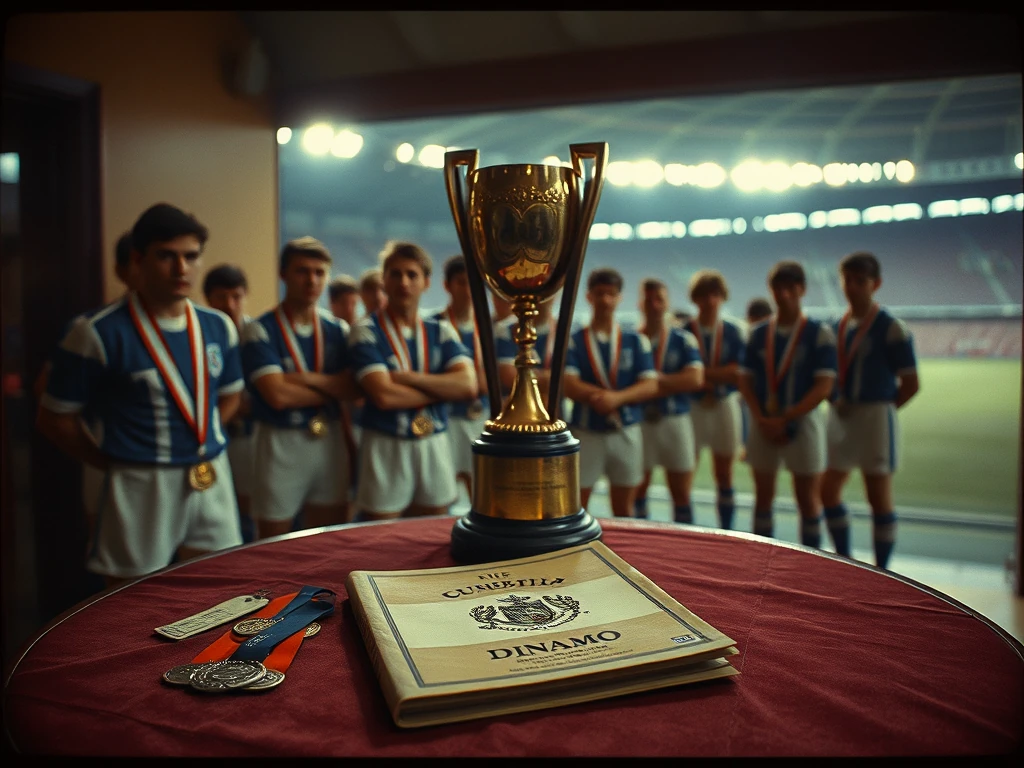
In the 1997/1998 season, GNK Dinamo Zagreb achieved one of its most significant successes on the European stage. Following an impressive domestic league performance, the Modri qualified for the UEFA Cup, which was then the most prestigious European club competition. The league was in full swing, and Dinamo claimed a talented squad, led by coach Miroslav Blažević, who knew how to harness the skills of his players.
In the group stage, Dinamo played several incredible matches against major European clubs. Their victory against Rapid Vienna, which took place at Maksimir, was a key turning point. The atmosphere in the stadium was electric, and the fans created an ambiance rarely experienced.
One of the most significant moments of that season was the match against German club Bayer Leverkusen. Although the Modri ultimately exited the competition, their fight on the pitch and heart left a strong impression on everyone. In that match, Dinamo demonstrated that they could compete with the strongest opponents, and the players gained invaluable experience that would serve them in future challenges.
Beyond the successes on the field, the year 1998 also marked the expansion of the club's popularity. Dinamo Zagreb became a symbol of resistance and pride for the Croatian people during a time when the country was undergoing turbulent political changes. The players, through their successes, forged a deeper connection with the fans, creating an unbreakable bond between the club and its supporters.
As we recall that historic season, it is clear that 1998 was much more than just a football story. It was a moment when GNK Dinamo Zagreb showed its strength on the European stage, and their struggles and successes will forever remain in the hearts of the fans. This historic moment continues to inspire new generations of Modri, who dream of reclaiming Europe.