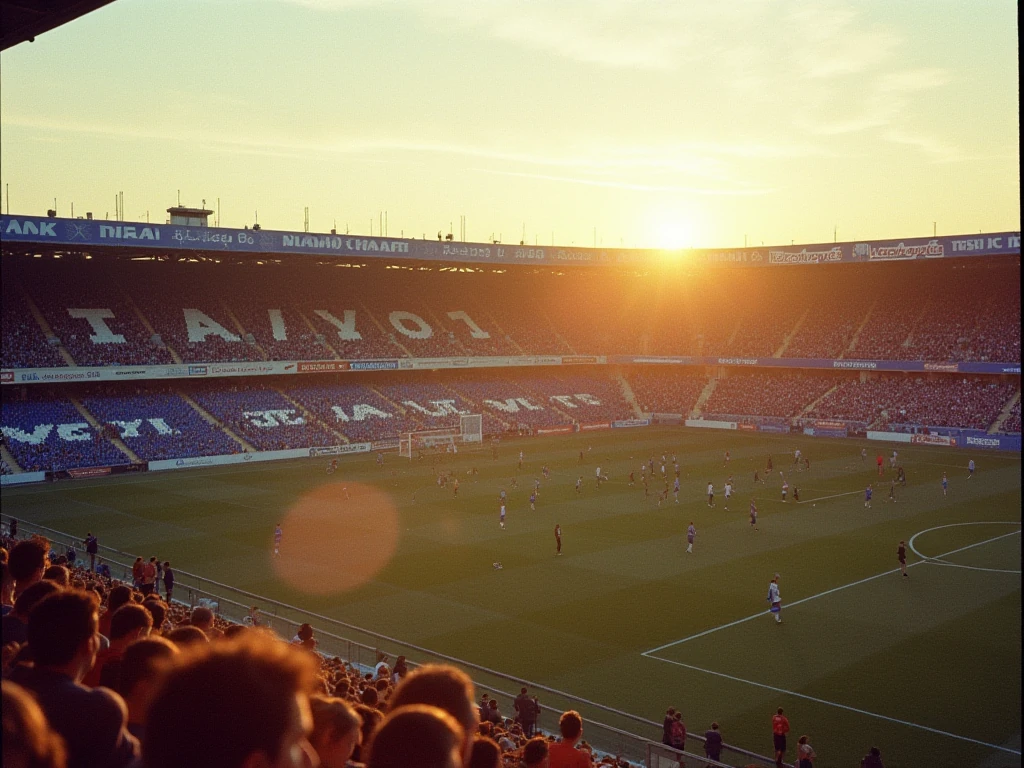

For anyone not born and raised in Zagreb, it's hard to fully grasp what GNK Dinamo truly means. It's not merely a football club; it's a thread woven through generations, a binding agent connecting families, neighbours, entire city districts. Dinamo is a part of identity, and the Modri fan culture isn't just a collection of rituals, but a living tradition passed down through whispers, songs, and, most importantly, experience.
It all begins in childhood. It’s not uncommon for a father to bring his son to "Maksimir" for the first time when the little one is still too young to understand the rules of the game. But he absorbs the atmosphere-the scent of freshly cut grass, the rumble of drums echoing from the stands, the sea of blue scarves around the necks of thousands. This is where the seed is planted, a seed of Modri passion that will sprout and grow with the years.
Derby day against Hajduk Split is something truly special. The air in Zagreb is electric hours before the first referee's whistle. It’s not only about 90 minutes of football; it’s the culmination of a week's worth of accumulated tension, rivalry at work, in cafes, on the streets. Traditional gatherings start early, often with coffee in the city centre, where discussions revolve around tactics, players, and historical encounters. The slow march towards the "Stadium" (Maksimir) isn't just a journey; it's a process of transformation. Individual worries fade, replaced by a collective pulse.
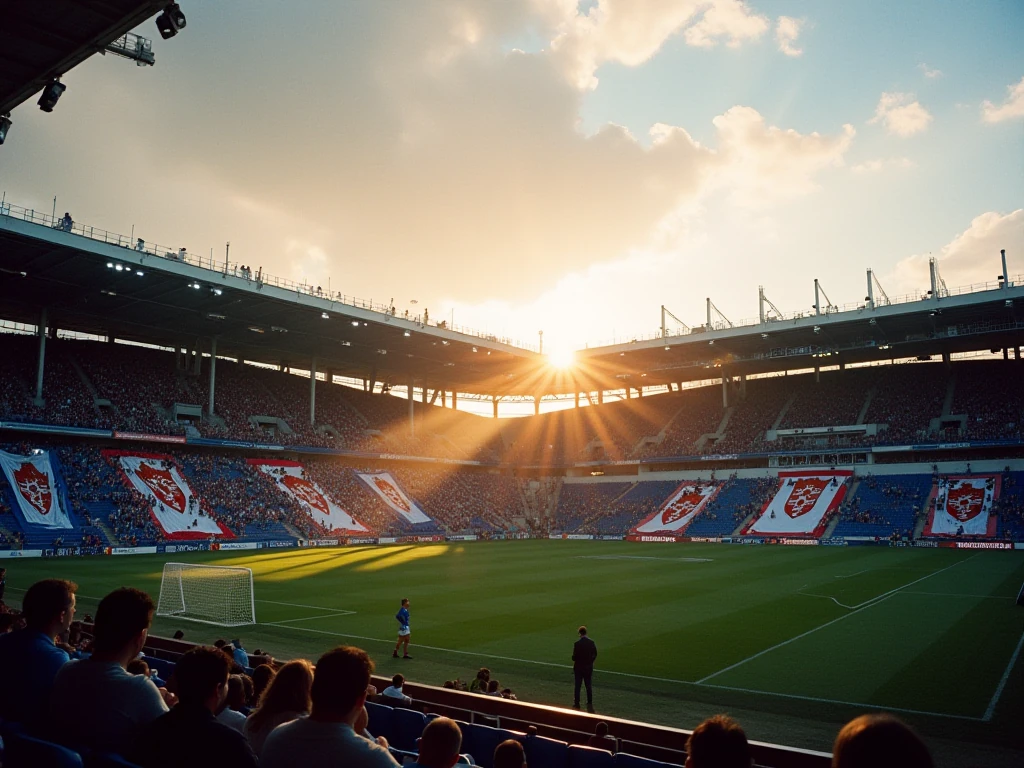
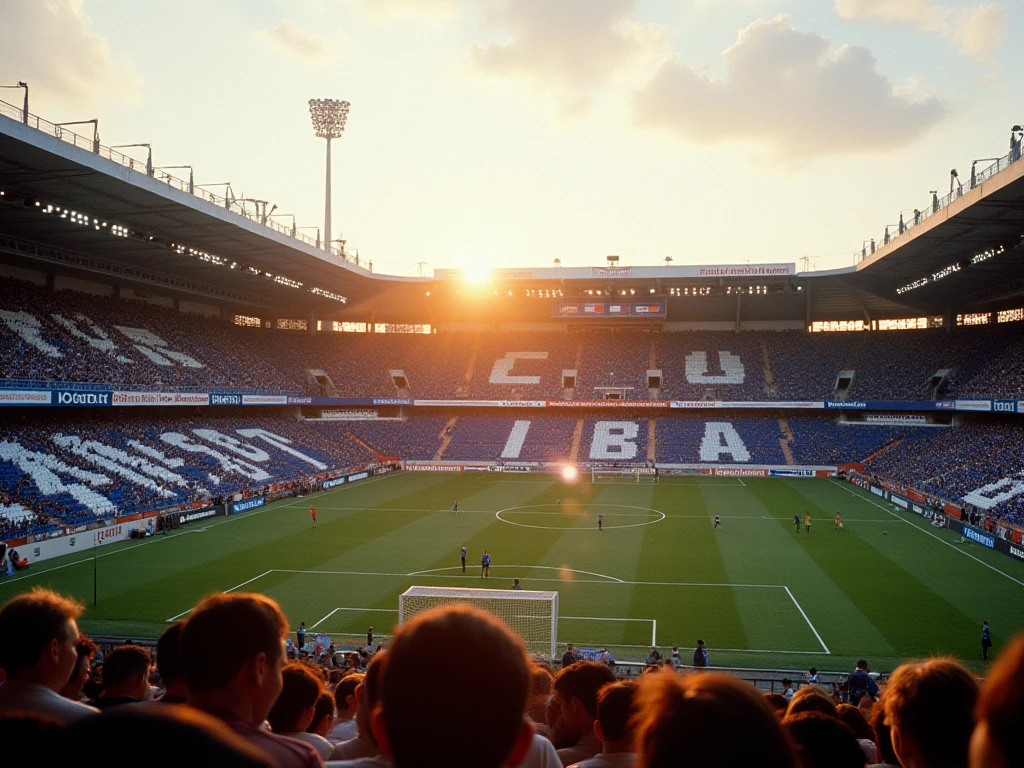
Upon finally arriving beneath the North Stand, home to the Bad Blue Boys, the sight is captivating. Older fans proudly point out to the younger generation where they stood thirty years ago, reminiscing about legendary matches. Entering the stand is a rite. The first glimpse of the green pitch, of flags and banners rising into the air, of a river of blue jerseys and scarves. The drums are already setting the rhythm, and throats are warming up with the first verses of fan songs that have been passed down for decades.
There’s no better place to feel the Modri blood than in the North Stand during a derby. Choreographies, often detailed and impressive, are planned for days. The bakljada, when thousands of flares illuminate the darkness, isn't just pyrotechnics; it's a visual declaration of love and strength, a sight etched into memory. Every jump, every sung reaction to events on the pitch, every whistle and applause - it's all part of the symphony. This isn't passive observation; it's active participation in a story that's rewritten every week.
In the stands, one learns about the club's history, about the legends who wore the blue jersey, about the victories that made Zagreb proud. A Dinamo jersey isn’t just a piece of fabric; it’s a symbol. Every goal, every Livaković save, every move by the captain - all are experienced collectively. Defeat hurts, but shared sorrow only strengthens bonds. Victory is an explosion of pure joy shared with thousands.
When the match ends, regardless of the result, the sense of community doesn't dissipate. The stands empty, but the echoes of songs and drums linger long in the air. Fans disperse throughout the city, carrying with them that unique sense of belonging, already looking forward to the next opportunity to stand beneath the Modri banner again. Dinamo's fan culture isn't just sport; it's the pulse of Zagreb, a constant echo of Modri passion proudly passed down from generation to generation, ensuring that blue blood will always flow through the veins of the capital.