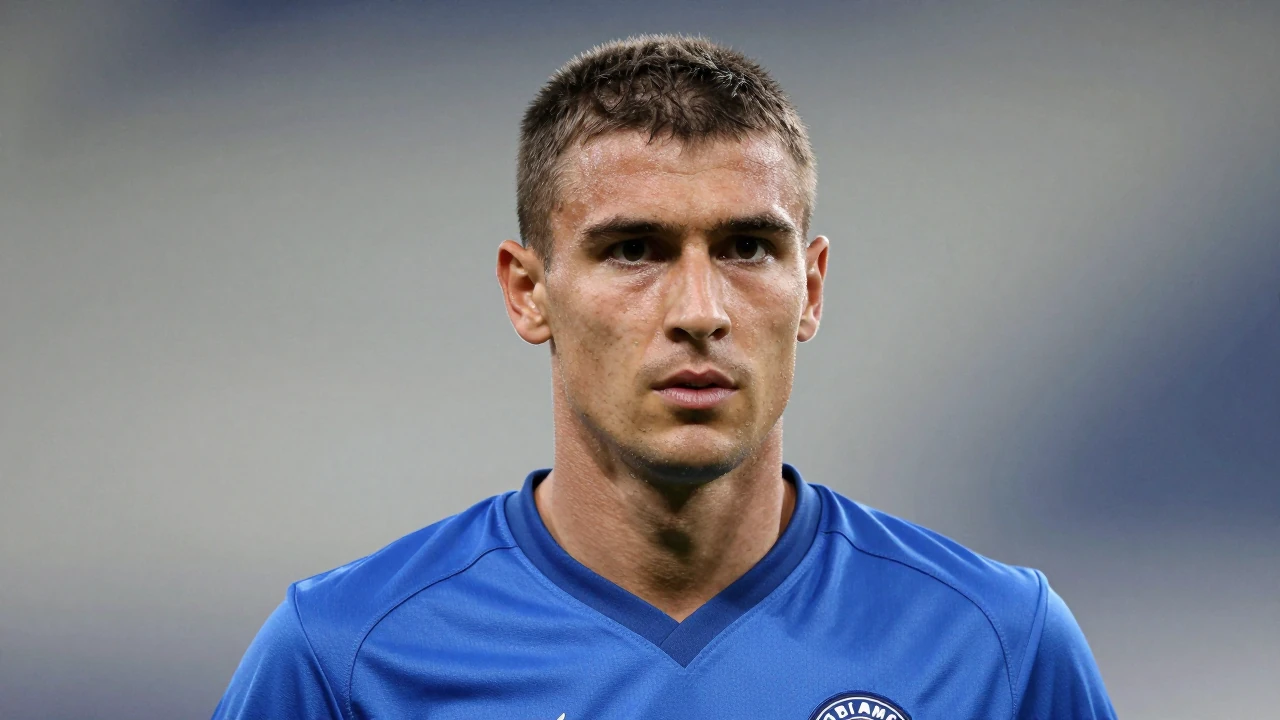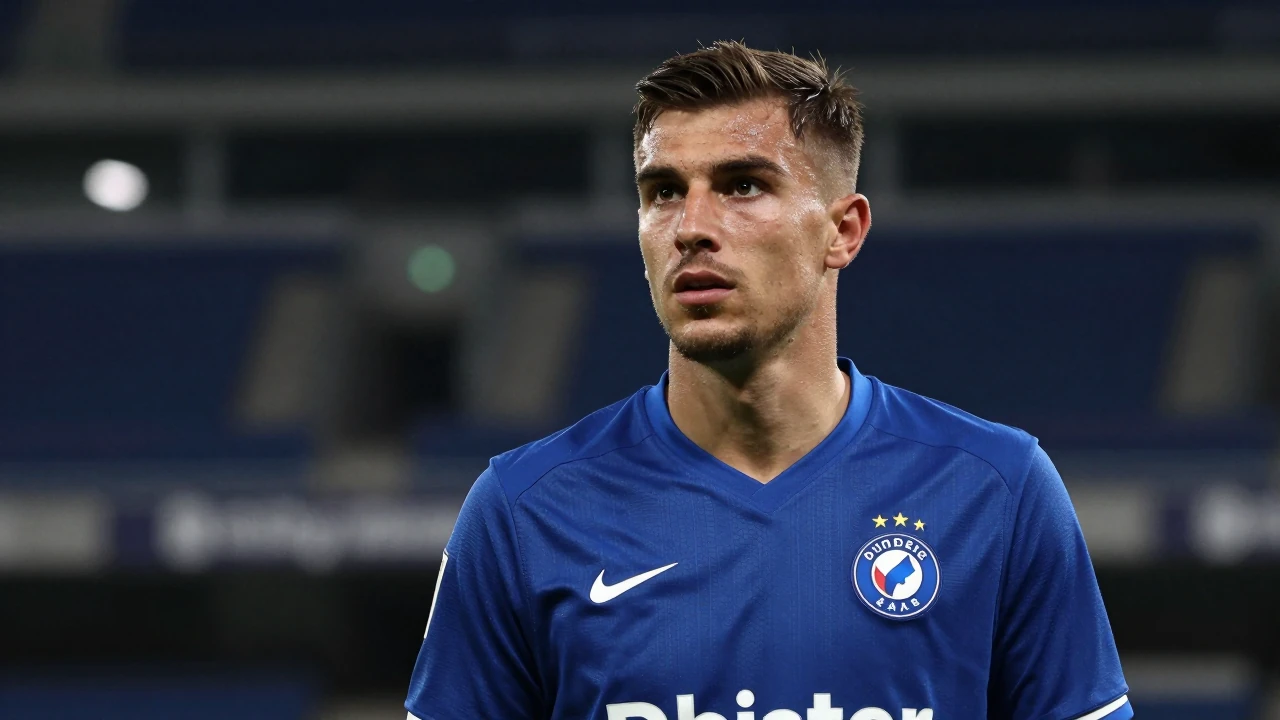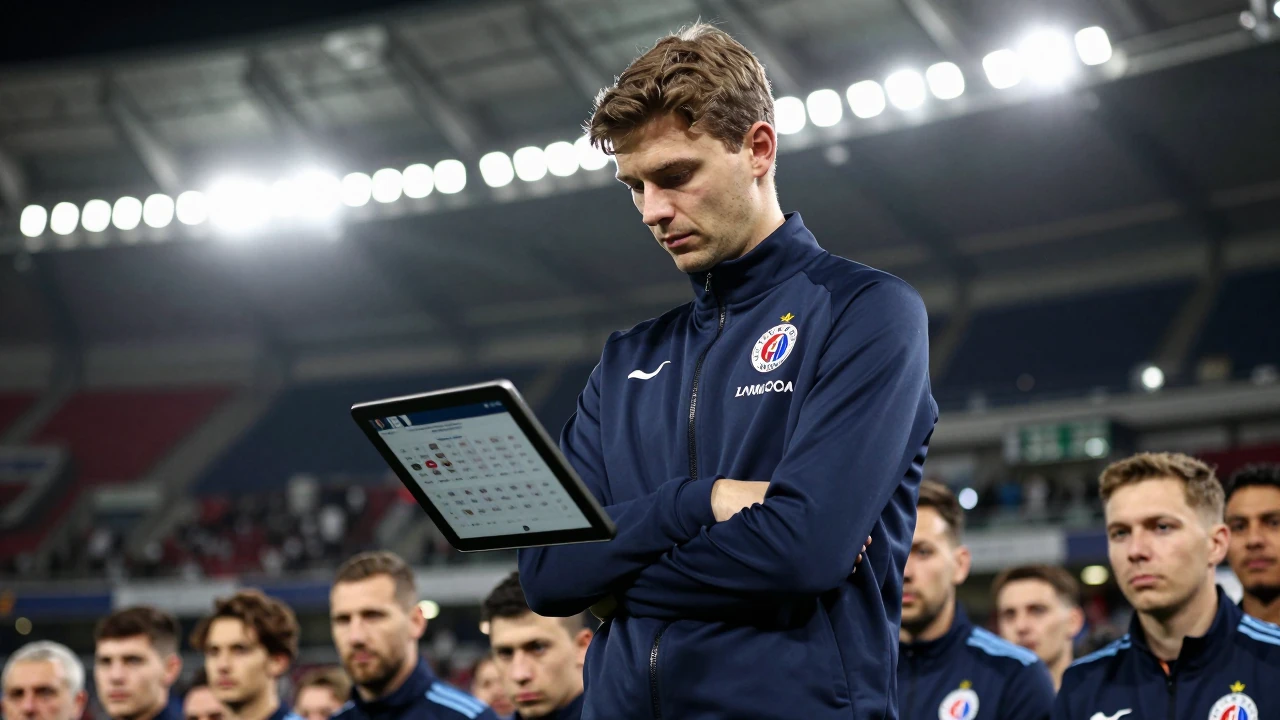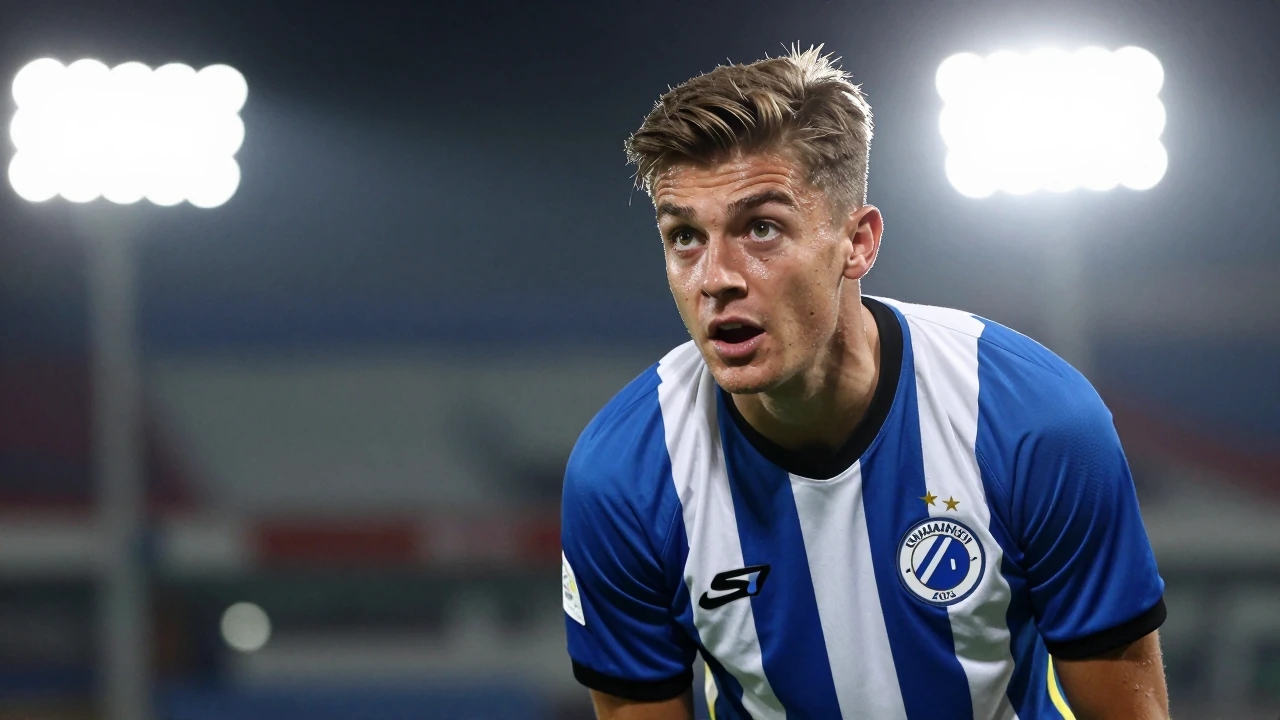
GNK Dinamo Zagreb missed a huge opportunity to return to the Champions League after being eliminated by Viking in the qualifying play-off. According to an analysis by Index.hr published this week, the key reason for the failure lies in a poorly executed summer transfer window.
The club's sporting director, Zvonimir Boban, faces criticism for failing to solve the goalkeeper issue and weakening the squad before key matches. Dinamo waited for months for a resolution regarding Dominik Livaković and ended up without any competitive first-choice goalkeeper for the European qualifiers. Ivan Filipović showed a lack of experience in the double-header against Viking, and his sending-off against Kaunas further exposed the problem.
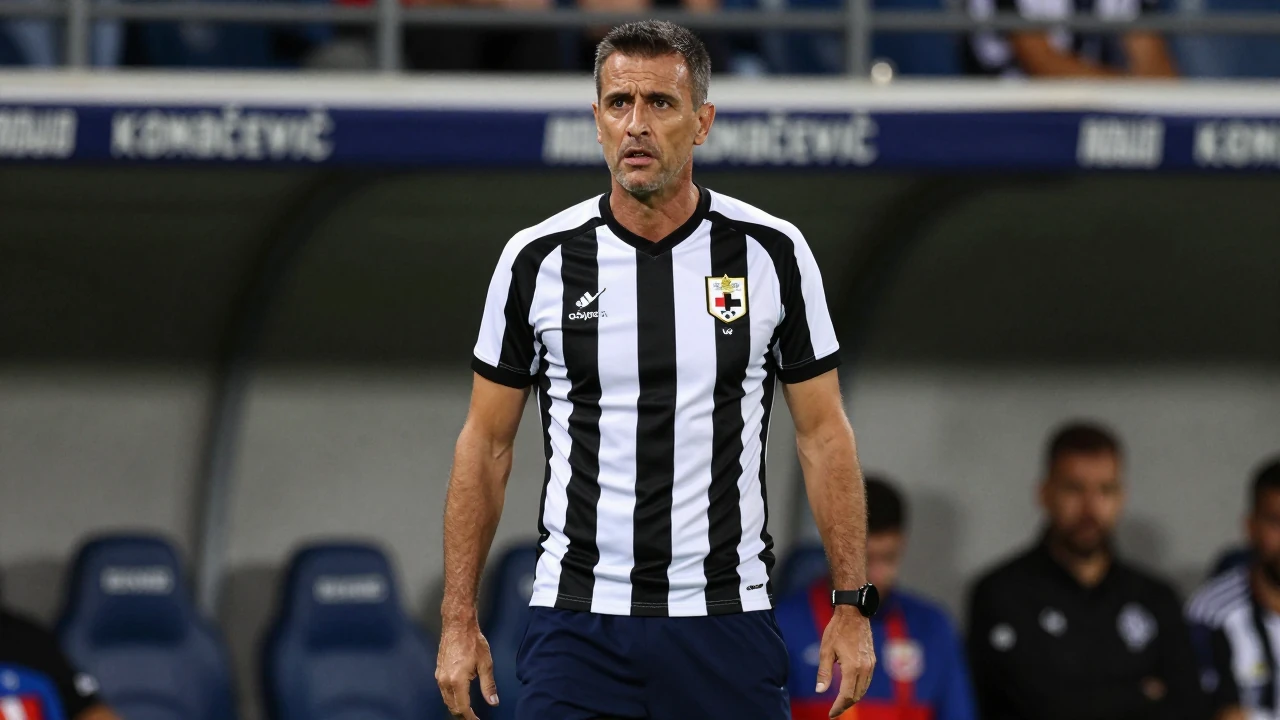
The club's plan was clear: bring back Dominik Livaković. However, months of negotiations with Fenerbahçe did not end successfully. When Livaković finally signed for another club, Dinamo was left without time to find a quality replacement. Manager Mario Kovačević had only Ivan Filipović in goal against Viking, who conceded two goals in Norway, the second stemming from his technical error. This situation directly impacted the outcome of the qualifiers.
The club currently has 28 players in the first team, and a review of all profiles is available on our squad page.
Dinamo emphasized at the start of the summer that there would be no sales before the European qualifiers. Yet, the club sold last season's second-top scorer, Monsef Bakrar, before he played a single European match. The same happened with Marko Soldo, and just before the Champions League play-off, Gabriel Vidović also left. None were automatic starters, but all three were important rotation players who could have provided freshness in key moments.
In midfield against Viking, Kovačević had very limited options from the bench. Robert Mudražija has long been out of the plans, and Lukas Kačavenda was on the transfer list until recently. "In midfield he had two solutions," writes Index.hr.
Last season, Boban was tasked with reforming the entire squad and made 40 transfers. The work was timely and resulted in a place in the Europa League knockout phase. However, just a few months later, in the most important matches of the season, the roster was thinner and weaker. The only player brought in who immediately slotted into the team was Mislav Oršić. The analysis concludes that the manager is not to blame for the current situation, but rather the sporting director.
Dinamo is in a demanding period of moving to a new stadium at Kranjčeva, which requires careful financial management. The club must close an annual budget of around 70 million euros and gather funds for the new training camp. In this context, the signings of players like Noah Nsoki were understood as low-risk policy, but other moves appear improvised.
Elimination by Viking is not a disaster, but it raises questions about a clear plan for the future. Fans have no insight into the strategy, and communication from the club is scarce. Meanwhile, Dinamo will compete in the Europa League group stage, where they will face demanding opponents. The first group stage match is scheduled for October 1st, and the full schedule of European matches can be found on fixtures.
Currently, Dinamo is in second place in the HNL table with three wins and one draw in the first four rounds. A detailed overview of the title race is available in the standings. The club's next league match is against Istra 1961 on Saturday, September 17th.