 GNK Dinamo Zagreb Hub
As derby day approaches, the atmosphere in Zagreb becomes electric, with supporters of GNK Dinamo Zagreb, known as Modri, gearing up for one of the most thrilling moments of the season. The streets surrounding the stadium fill with blue colors, while songs and chants from the fans resonate in the air. This ritual begins days before the match, as members of the fan groups gather to discuss strategies, sing songs, and share memories from past derbies.
One of the most significant traditions among Dinamo supporters is the creation of banners and choreographies displayed in the stands. These visual displays, often planned months in advance, not only add color and energy to the match but also convey powerful messages of support to the players as well as critiques toward the opponent. On derby day, the Modri gather in the fan zone, where concerts, sports games, and various activities are organized, creating a sense of community that is hard to describe in words.
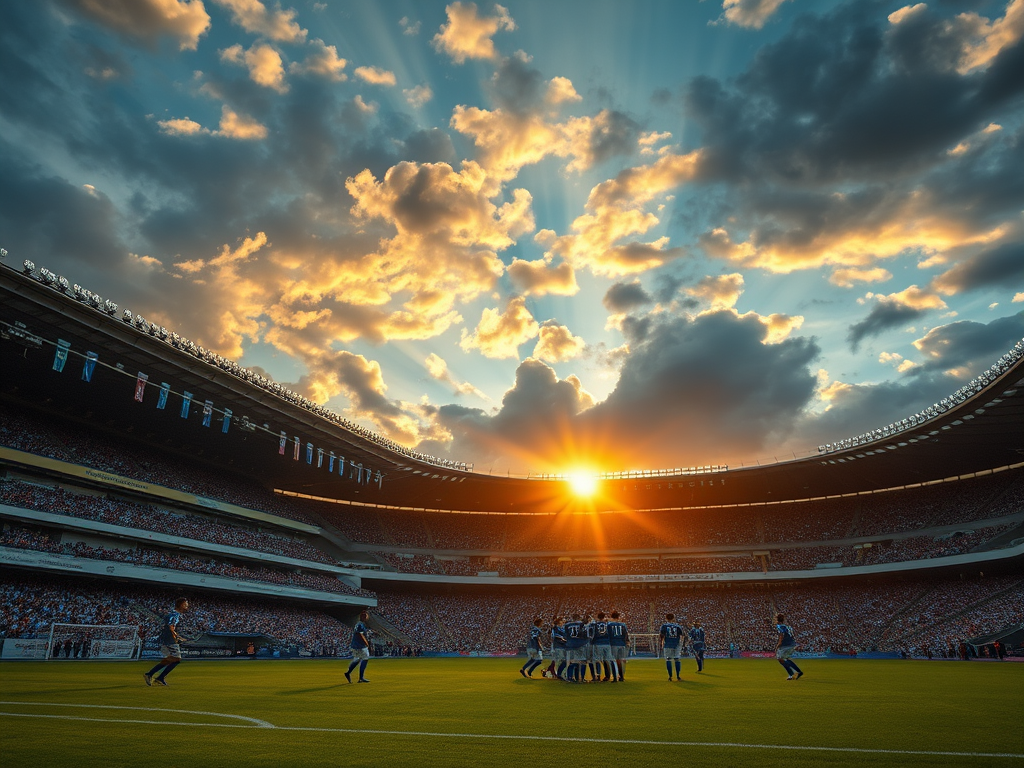
Maksimir Stadium transforms into a true football temple when the players step onto the pitch. In the stands, supporters create an unbelievable atmosphere - chants, drums, and fireworks fill the air. The tradition of lighting smoke bombs and flares has become a hallmark, symbolizing the fiery passion and commitment to the club. This energy not only motivates the players but also fosters a sense of unity among fans, who fight together for every goal and every victory.
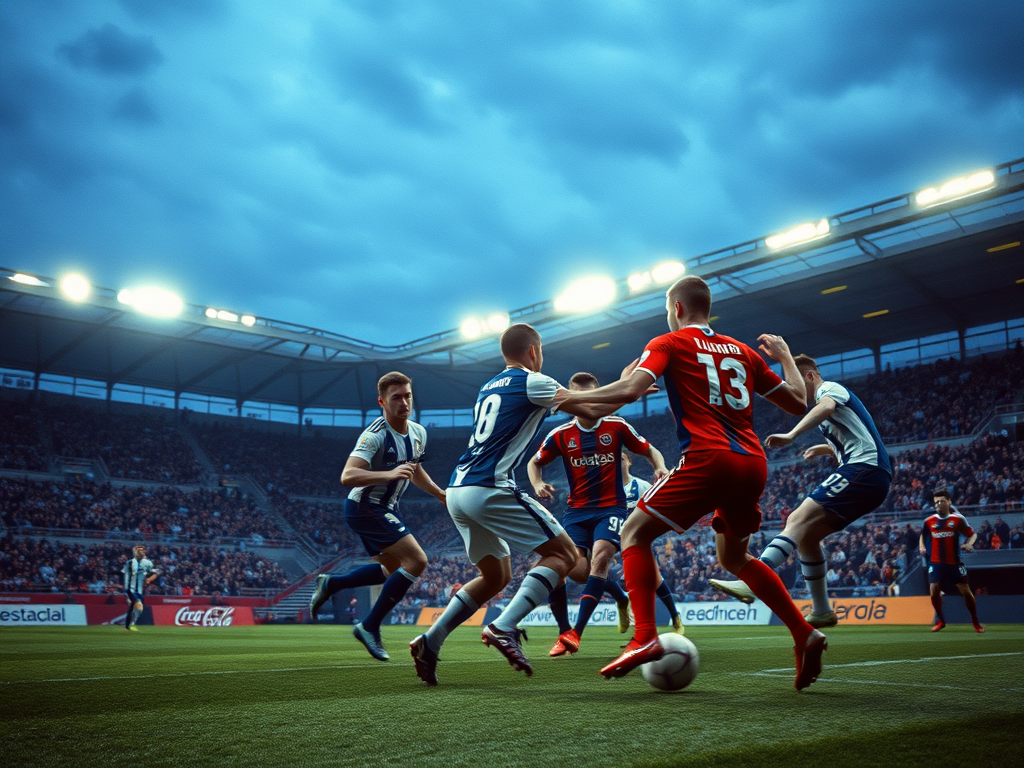
The derby against Hajduk holds a special significance for the Modri. The rivalry between these two clubs is deeply rooted in the history of Croatian football, and each encounter on the pitch becomes more than just an ordinary match. Supporters prepare for weeks in advance, making travel plans, organizing joint transfers, and even designing special shirts for the occasion. On match day, the journey to the stadium is a true adventure, filled with songs and cheers heard from every corner.
One of the most crucial aspects of fan culture is solidarity. In times of crisis, supporters are always there for one another. Whether it’s organizing humanitarian efforts, supporting players, or simply celebrating successes together, the Modri always demonstrate that they are more than just fans - they are family. This bond is further deepened through rituals, such as singing club anthems together or gathering after matches to analyze successes and failures.
In conclusion, the fan culture of GNK Dinamo Zagreb cannot be described in mere words. It is a feeling, a passion, and a way of life. Traditions, the derby atmosphere, and stadium rituals make every encounter a special occasion that is remembered for a lifetime. The Modri are more than just a club; they are a symbol of unity and boundless love for football.