 GNK Dinamo Zagreb Hub
Introduction
GNK Dinamo Zagreb, known as the Modri, are not just a football club; they are a symbol of identity and pride for the city of Zagreb. Their fans, known as the Bad Blue Boys, have created a unique culture that encompasses tradition, passion, and community. Through rituals, songs, and unforgettable moments, the atmosphere at Maksimir Stadium comes alive, especially during the major derbies.
Bad Blue Boys and Their Tradition
Founded in 1986, the Bad Blue Boys are among the oldest fan groups in Croatia. Their dedication to the club extends beyond supporting during matches; they organize various events that promote unity and love for Dinamo. These fans are known for their choreographies, banners, and songs that are passed down through generations, making every match a chance to express their passion and loyalty.
Ritualistic Atmosphere at the Stadium
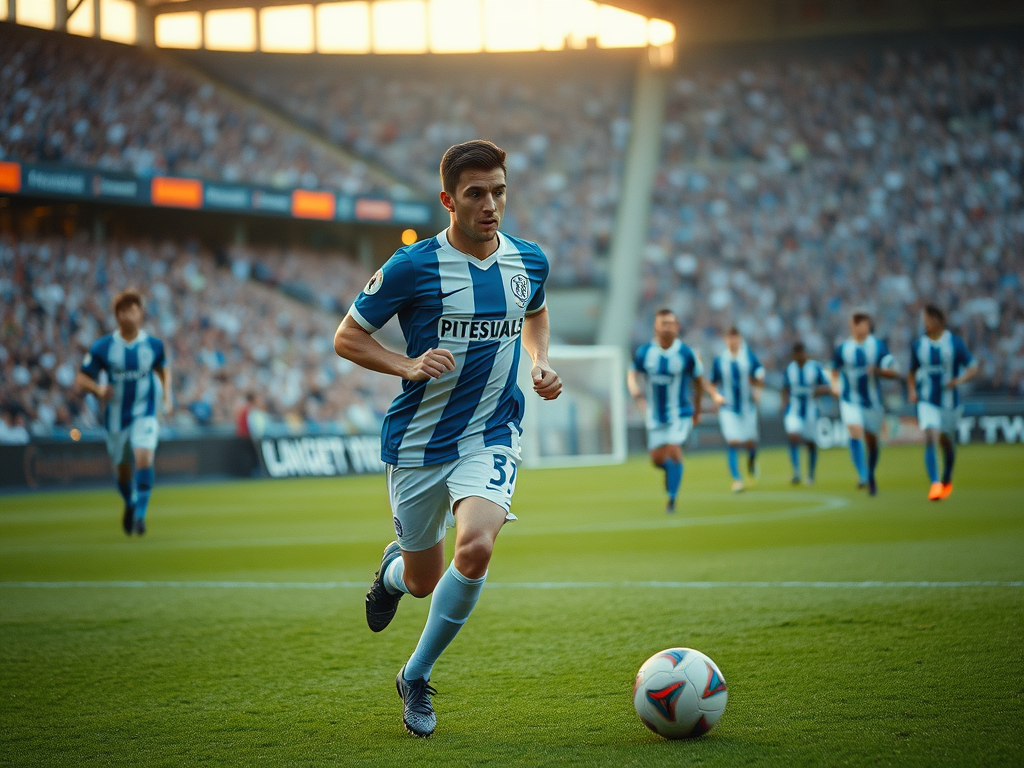
Before each match, fans gather outside the stadium, sharing stories and memories, while the sounds of songs echo in the background, heralding the entrance to the stadium. As kickoff approaches, the atmosphere becomes electric; the lights dim, and the players take the field. At this moment, the Bad Blue Boys create an incredible loud backdrop that invigorates the players, with every shout and song resonating throughout the stadium.
The Derby Against Hajduk: Heart of Rivalry
The derby against Hajduk from Split is a particularly important event for all Dinamo fans. This match is not just a football encounter; it’s a battle for pride and tradition. The atmosphere is always tense, and the fans are ready to showcase their passion through songs and choreographies often featuring historical motifs and symbolism. These matches frequently yield unforgettable moments, and a victory over Hajduk becomes a story passed down among fans.
Songs and Choreographies
One of the most important aspects of the fan culture of the Modri is their songs. Each song has its own story, with many written as tributes to club legends or as responses to current events. Choreographies, often prepared months in advance, create a breathtaking spectacle. The spontaneous creation of auditory and visual experiences at matches makes each atmosphere unique and unforgettable.
Togetherness and Community
The fan culture of the Modri is not just about football; it’s about togetherness and friendship. Many fans become part of a family that gathers at matches, and the bonds formed in the stadium often last a lifetime. While results may change, the love for the club and shared moments at Maksimir remain unchanged, making the fans the true keepers of the club's tradition.
Conclusion
Through rituals, songs, and passion, GNK Dinamo Zagreb and their fan community create a unique experience that transcends the game itself. The Bad Blue Boys and all Modri fans make every match a special occasion, preserving the club's spirit and creating memories that will last forever.