 GNK Dinamo Zagreb Hub
Introduction to Modrić’s Career
Luka Modrić, captain of the Croatian national team and one of the best midfielders of his generation, was born on September 9, 1985, in Zadar. His incredible career began at GNK Dinamo Zagreb, where he showcased extraordinary talent that soon took him abroad. Playing for clubs like Tottenham and Real Madrid allowed him to develop into a global football star, but his roots remain deeply connected to Croatian football.
Milestones in Modrić’s Career
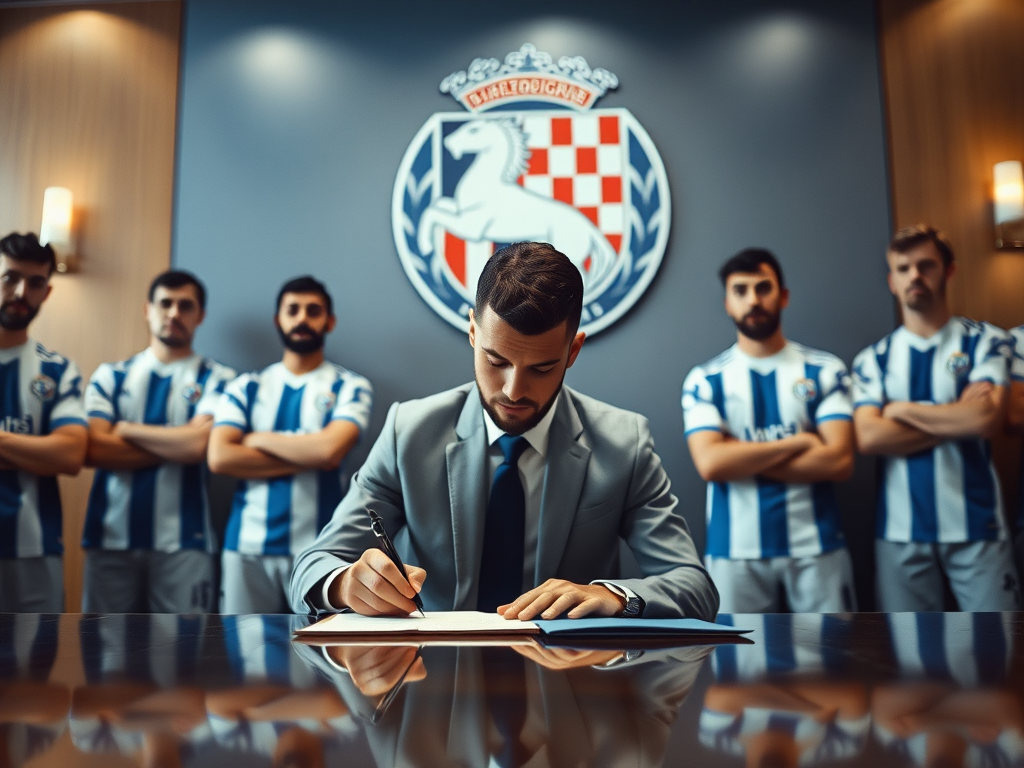
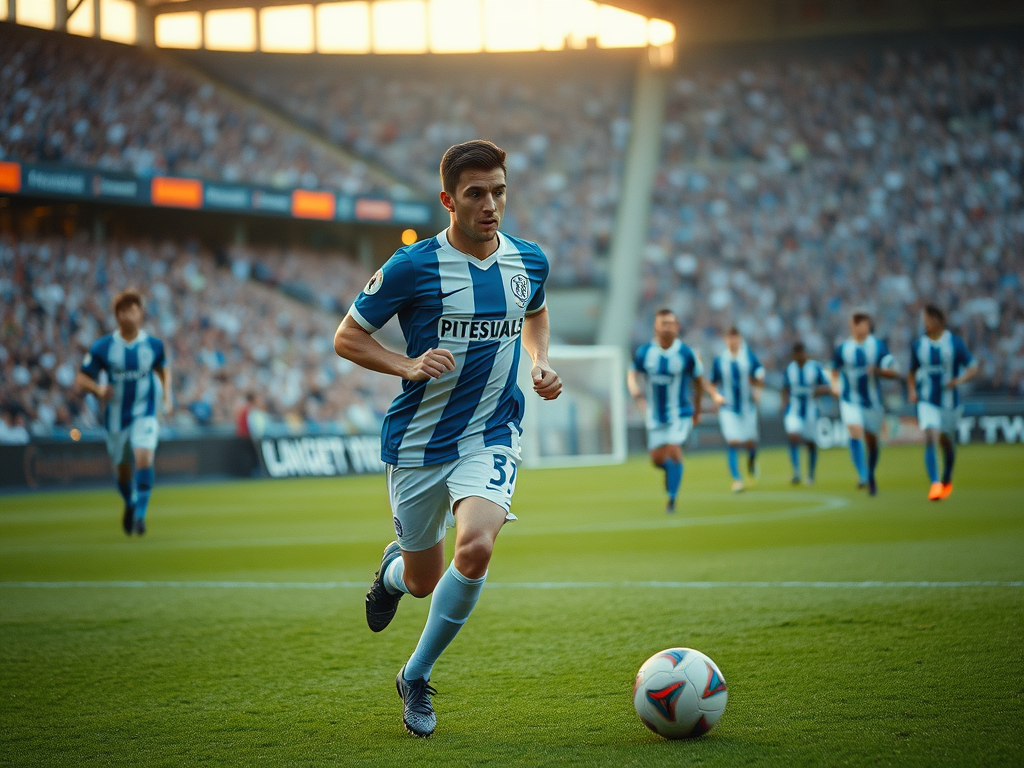
As a young player, Modrić started his career at Dinamo, where he won several league titles and earned a reputation as an exceptional midfielder. His ability to control the game and make precise passes caught the attention of scouts across Europe, and in 2008, he moved to Tottenham Hotspur. There, he gained experience in the English Premier League, where his style of play became recognizable and appreciated.
- 2008: Transfer to Tottenham
- 2012: Transfer to Real Madrid
- 2018: Won the Ballon d'Or
After four successful years in London, Modrić joined Real Madrid, where he continued to write his football story. During his career in La Liga, he won numerous trophies, including over five Spanish league titles and several Champions League titles.
Impact on the Croatian National Team
Luka Modrić is a key figure for the Croatian national team, a leader whose play has inspired generations of young players. His ability on the field, combined with his exceptional ball control, has placed him among the best midfielders in history.
At the 2018 World Cup, he led Croatia to historic success, finishing as runners-up and winning the Golden Ball as the tournament's best player. This achievement was the result of not only his skills but also the leadership and dedication he showed throughout the tournament.
Modrić’s Brilliant Form at Club Level
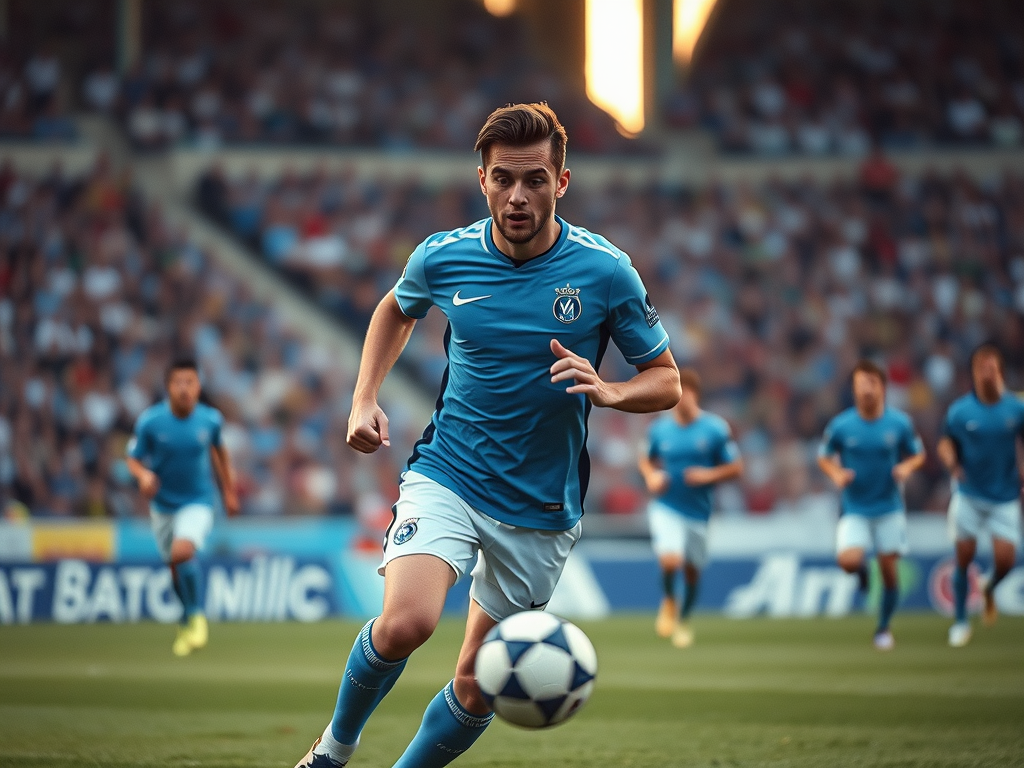
Despite his advancing years, Modrić continues to display remarkable form on the pitch. His ability to control the game and make key decisions remains unchanged, and his contributions to Real Madrid are still vital.
This season, Modrić has continued to deliver outstanding performances, regularly recording assists and playing a crucial role in midfield. His experience and game reading ability make him an indispensable part of the team.
Influence on GNK Dinamo Zagreb
Modrić’s impact on GNK Dinamo Zagreb cannot be overstated. His development at the club has laid the foundation for many young players following in his footsteps. Dinamo, as one of the most successful clubs in Croatia, has always been known for developing young talents, and Modrić is the best example of how hard work and talent can pay off.
In addition to his game, Modrić is a symbol of the club that promotes values such as unity and dedication. His connection with fans and his contributions to the club will leave a lasting mark in history.
- Connection with Dinamo: Modrić has always emphasized the importance of the club in his development.
- Mentorship Role: Today, he serves as a role model for young players aspiring to succeed.
Expectations and Future
As Modrić’s career nears its end, his legacy in Croatian football remains strong. His ability to adapt and continue playing at a high level regardless of age speaks to his dedication and love for the game.
In the future, Modrić could take on a coaching or advisory role, where he could continue to pass on his knowledge and experience to new generations. His presence in football will be felt long after he finishes his playing career.
What’s Next
Luka Modrić continues to be a key figure in the world of football, and his influence on GNK Dinamo Zagreb and the Croatian national team will be the subject of discussion for many years to come. Regardless of what lies ahead, one thing is certain – his legacy will always be present, and his contributions to football will never be forgotten.