 GNK Dinamo Zagreb Hub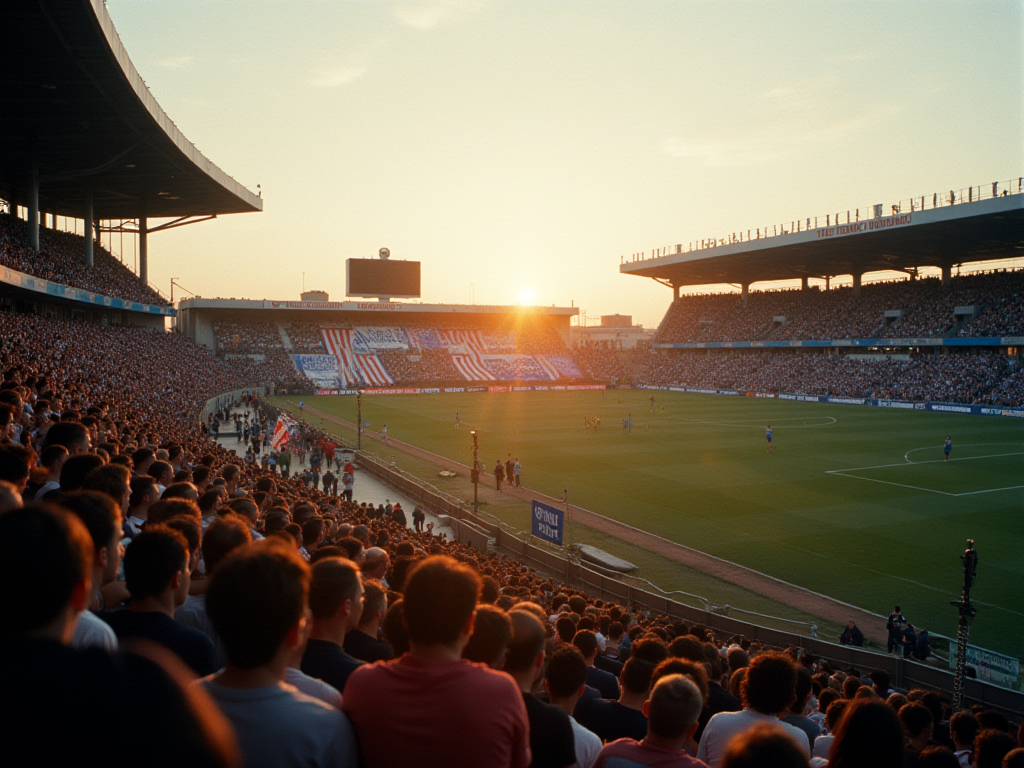
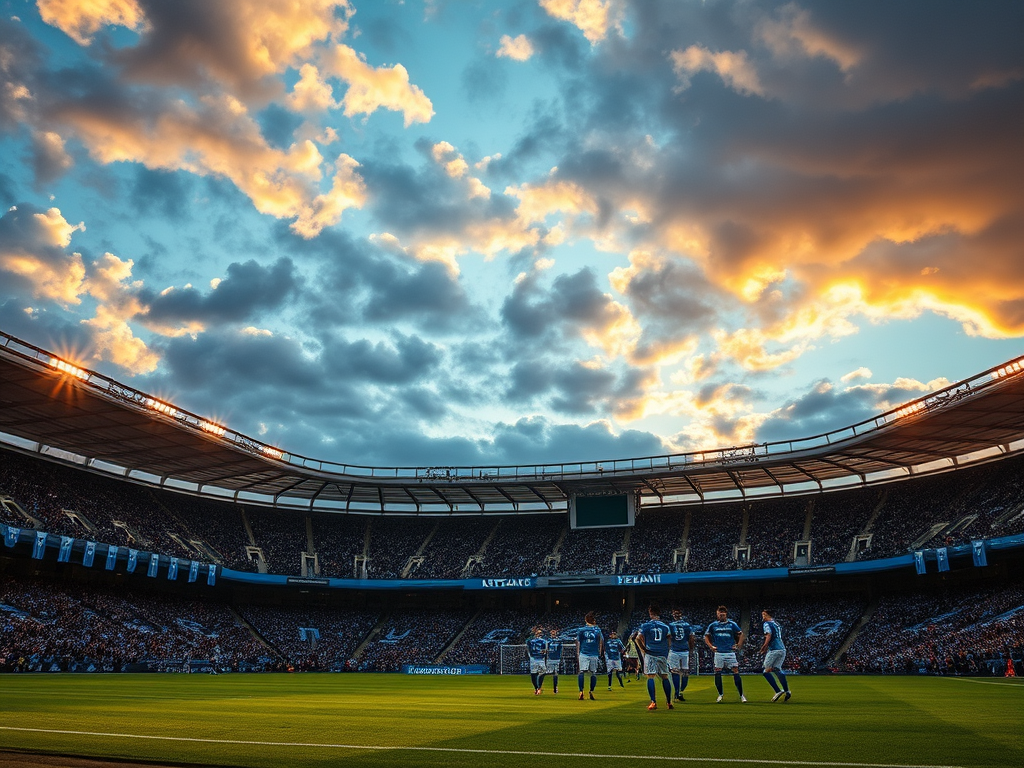
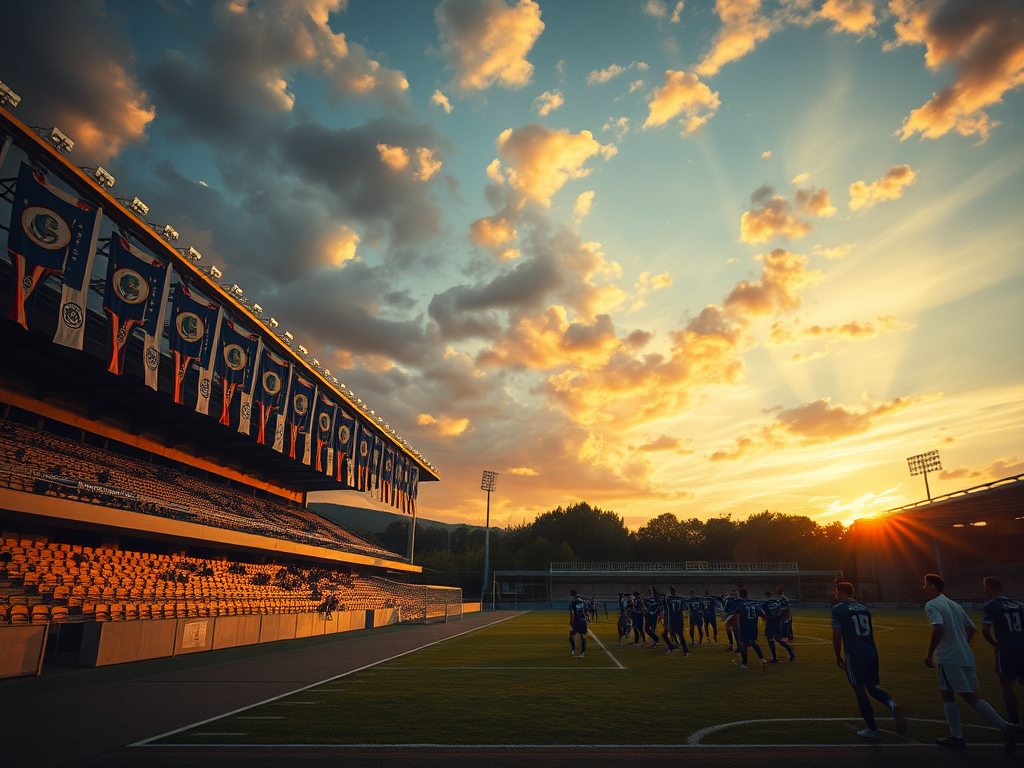
Maksimir isn't just a concrete arena on the outskirts of Zagreb; it's a temple where the heart of Dinamo beats, where the blue dream never sleeps. For Modri supporters, coming to the stadium isn't just going to a match, but a sacred ritual, imbued with tradition, passion, and unwavering loyalty passed down from generation to generation.
When the Modri play at home, especially when the Eternal Derby against Hajduk Split is on the schedule, the city breathes differently. Zagreb transforms, the streets come alive in a sea of blue scarves and jerseys, and songs echo from cafes and squares. Fans gather hours before the first whistle, exchanging predictions, recounting legends, and fueling up with energy that will soon explode within Maksimir's walls. The path to the North Stand (Sjever), the Bad Blue Boys' tribune, is a special ritual – a procession culminating at the entrance, where the chanting intensifies and transforms into a thunderous roar, a welcome home.
And then, entering the stand. The moment the view of the green pitch opens up, when you feel the collective energy of thousands of like-minded individuals, when you see the banner announcing a new tifo – that is pure magic. The air is charged with electricity, and the anticipation is almost palpable. The Eternal Derby brings a special dimension; the rivalry is etched in history, and the atmosphere is even more intense. Every glance towards the opposing stands, every flare ignited, every smoke signal that colors the sky blue, white, or red – all are part of a grandiose spectacle of passion.
Inside the stadium, Dinamo fans are masters at creating an unforgettable atmosphere. From the first whistle to the last, the North Stand is the epicenter of passion, a choir that tirelessly thunders support. Chants like "Dinamo, Dinamo!", "The North is with you!" (Sjever je uz tebe!) and "I love you, Dinamo" (Volim te, Dinamo) are not just words; they are vows, a mantra that carries the players. Every touch of the ball, every foul, every breakthrough or save elicits a collective reaction. A goal for the Modri is an explosion of euphoria, a symphony of chanting, hugging, and jumping that shakes the stands. On the other hand, every miss or controversial referee decision is met with a chorus of disapproval, but also intensified support, because at Maksimir, you never give up.
After the match, regardless of the outcome, the feeling of belonging remains. A derby win is ecstasy, a celebration that spills beyond the stadium and lasts for days, filling the streets of Zagreb with joyful songs. Defeat is sadness, but also a promise to return stronger, always with Dinamo. These rituals, these traditions, this unstoppable energy of the Modri supporters, form the heart of Maksimir and the soul of GNK Dinamo Zagreb – not just a sports club, but an institution that lives in the hearts of its loyal devotees.