 GNK Dinamo Zagreb Hub
Introduction
The supporters of GNK Dinamo Zagreb, known as Modri, create an incredible atmosphere at every match, but it is especially evident during the derby against Hajduk. These matches are not just a sporting contest; they represent a clash of two philosophies, identities, and traditions. The rivalry between the two clubs is so intense that it is often described as the 'battle for Zagreb,' transcending mere football.
Traditional Rituals
One of the most well-known rituals among Dinamo fans is arriving at the stadium early to prepare for the match. Supporters often gather in nearby cafes to socialize and share their predictions. Before the derby, Dinamo fans congregate at Ban Jelačić Square, where songs, chants, and collective messages of support are shared, creating a unique energy that transfers to the stadium.
Atmosphere at the Stadium
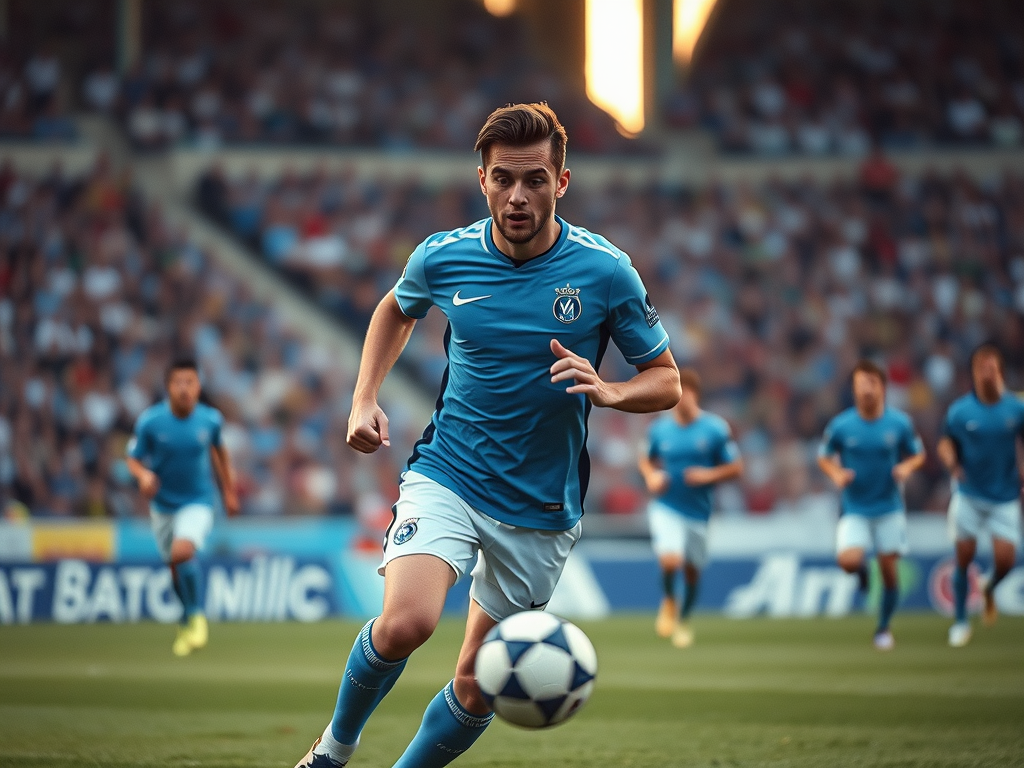
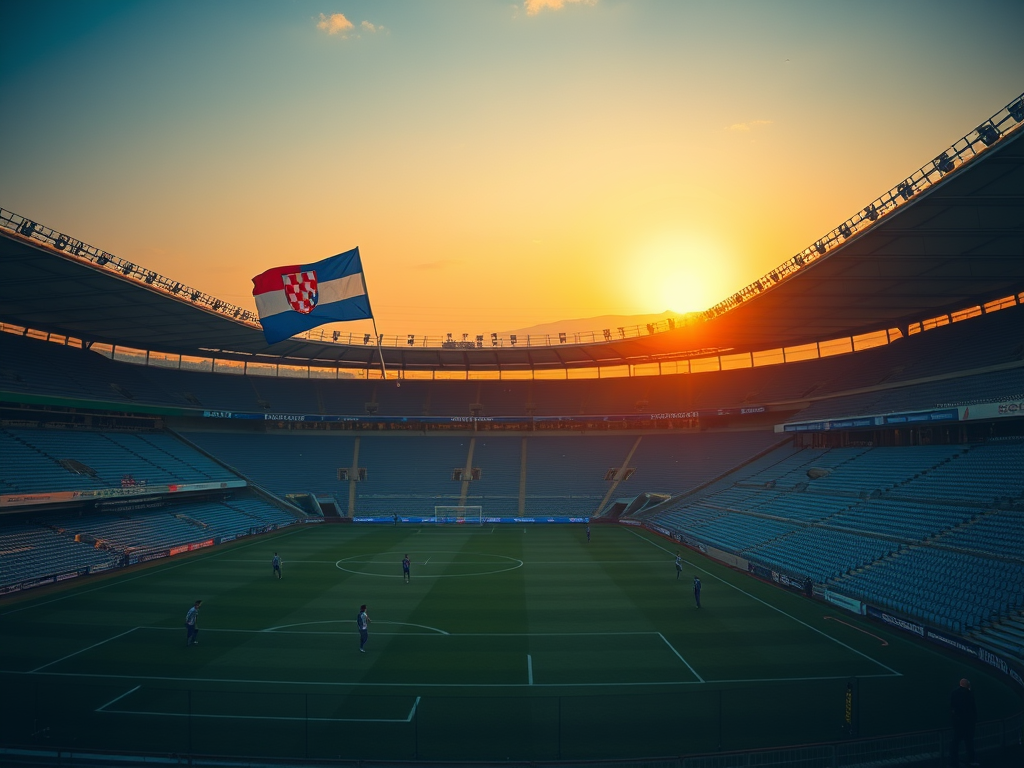
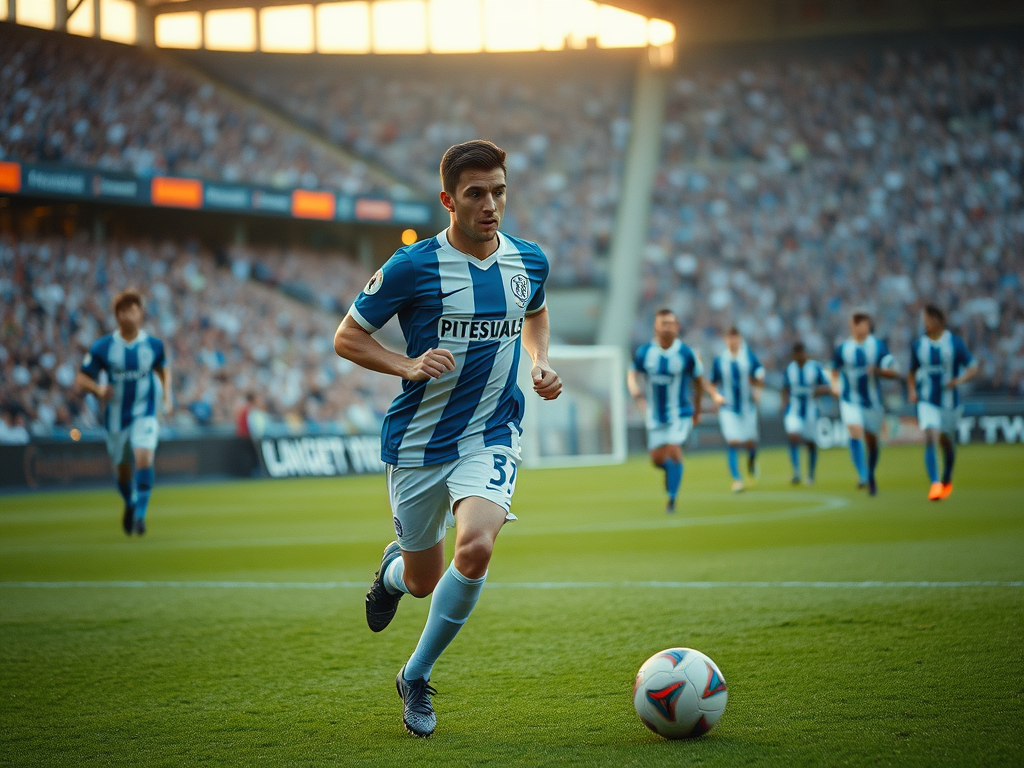
When Modri play, Maksimir Stadium transforms into a sea of blue. Supporters use flares, smoke bombs, and flags, creating a breathtaking spectacle. During the match, their chanting becomes almost a single voice, and every goal sparks an explosion of excitement. This synergy between players and supporters makes everyone on the field feel like they are playing for more than just three points.
Derby Against Hajduk
The derby against Hajduk is a particularly significant chapter in supporter culture. This encounter attracts thousands of fans from all parts of Croatia, often even from abroad. The atmosphere is tense, and every moment is awaited with great anticipation. From the first minutes of the match, when the connected chant "Zagreb is ours!" echoes, to the last minutes, when hope for victory hangs in the air, the derby is more than just a game – it is a ritual passed down through generations.
Songs and Chants
The songs of the supporters are the heart of every match. They are not just melodies; they are a way to express love for the club and the city. Modri fans have a rich tradition of songs that are often adapted to current events or players. These songs create a sense of unity and belonging, and every supporter knows the lyrics by heart, further enhancing the atmosphere in the stadium.
Conclusion
The supporter culture of GNK Dinamo Zagreb is an incredible blend of traditions, rituals, and passion. This community supports their club not just on the pitch but also off it, creating a sense of pride and identity. When Modri play, it is not just football; it is an experience that is remembered for a lifetime.