 GNK Dinamo Zagreb Hub
Introduction
GNK Dinamo Zagreb, known as the Modri, faces challenges in the domestic league, particularly in light of recent matches. While results have been relatively positive, there is a sense that further tactical adjustments are needed to achieve greater efficiency.
Current Form
In recent encounters, Dinamo has shown a tendency toward high pressing, resulting in several key turnovers in the opponent's half. However, this high defensive line has also led to vulnerabilities against quick counterattacks. In their match against Rijeka, for instance, Dinamo struggled to control the midfield, allowing the opposition to create chances from space left unaddressed.
Suggested Adjustments
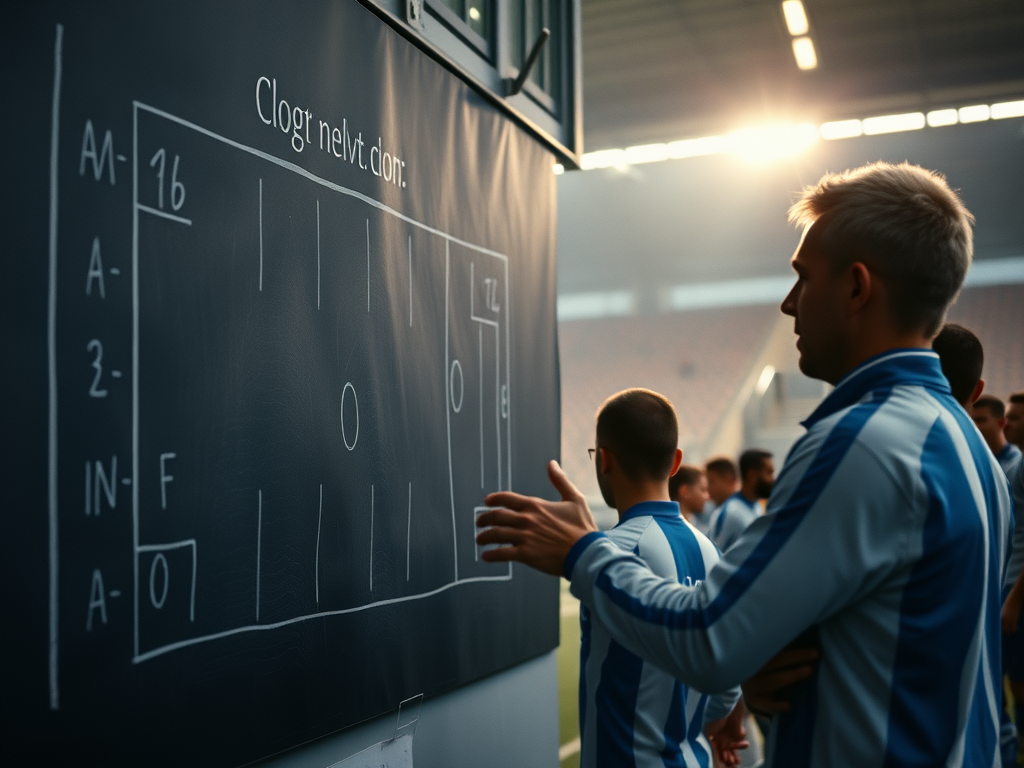
1. Formation Change: Considering a switch to a 4-2-3-1 formation could provide additional stability in midfield. This would allow for two defensive midfielders to support the defense while an attacking midfielder connects better with the forwards.
2. Role of Wingers: Increasing the involvement of wingers in defensive phases could ease pressure on full-backs. The Modri should work on better communication and overlap between wingers and full-backs, which would help contain opposition attacks.
3. Focus on Counterattacks: Dinamo should develop a faster and more effective counterattacking style. Utilizing quicker attacking players and positioning them to enable swift breaks into the opponent's half could yield more goal-scoring opportunities.
4. Increased Player Rotation: Given the congested schedule, it's crucial to involve more bench players. Rotation could lead to fresh legs on the pitch, helping maintain game intensity throughout the match.
Conclusion
GNK Dinamo Zagreb has the potential to enhance its game through several tactical adjustments. With the right approach and implementation of these suggestions, the Modri could become even more competitive in the domestic league and on the international stage.