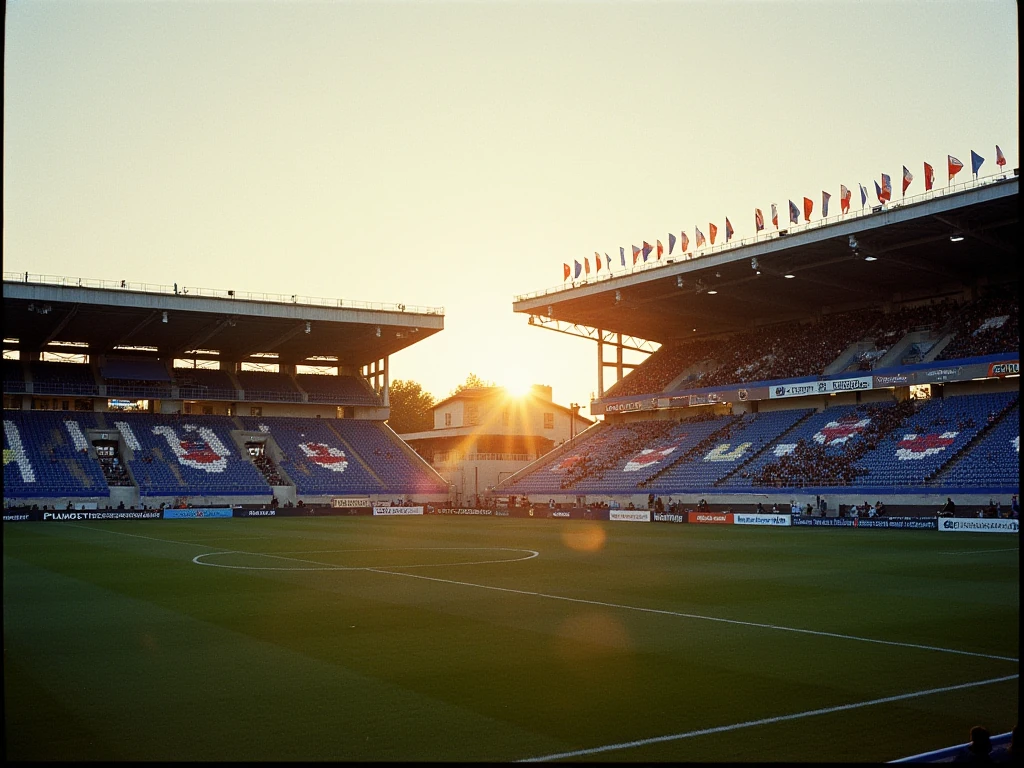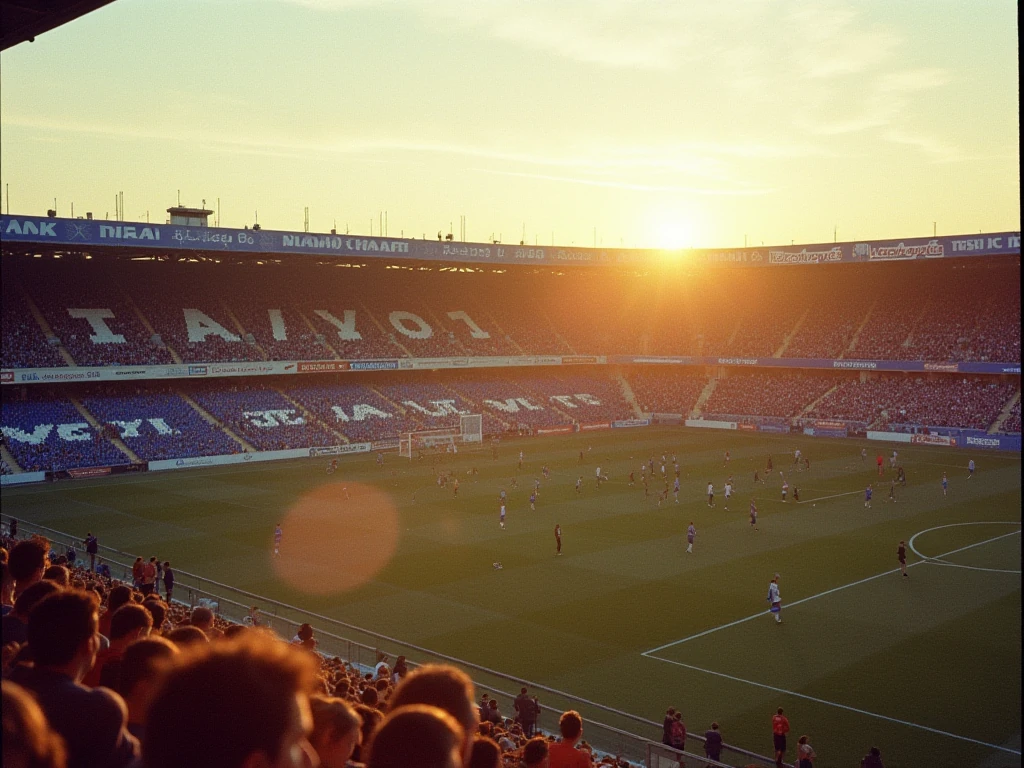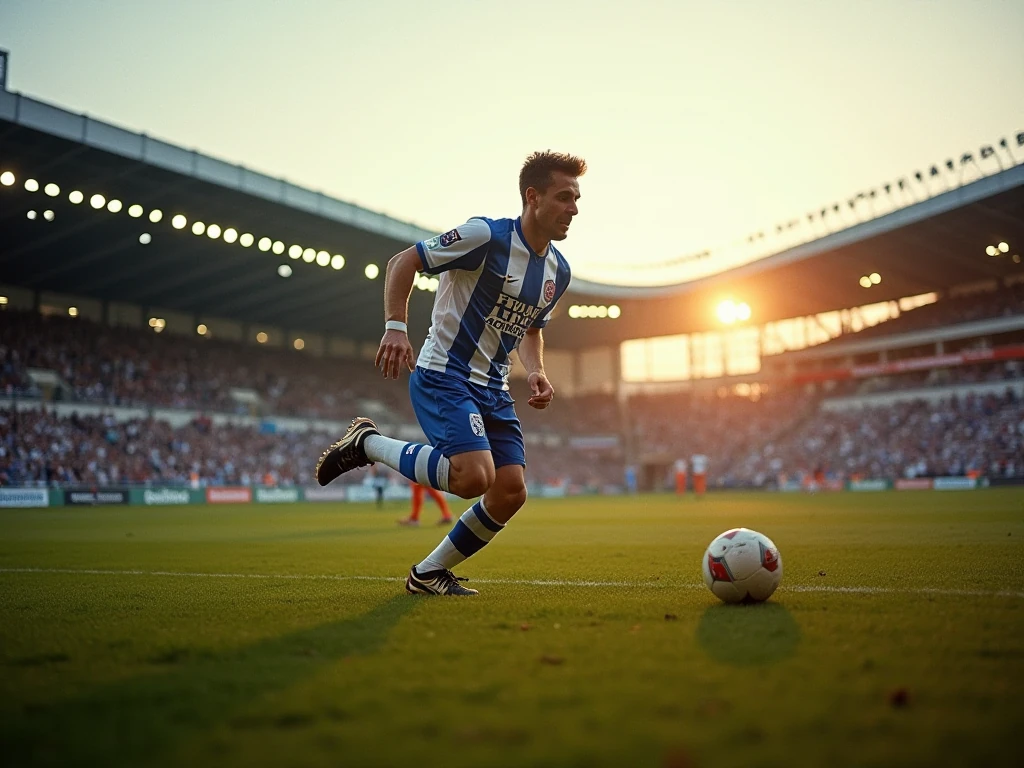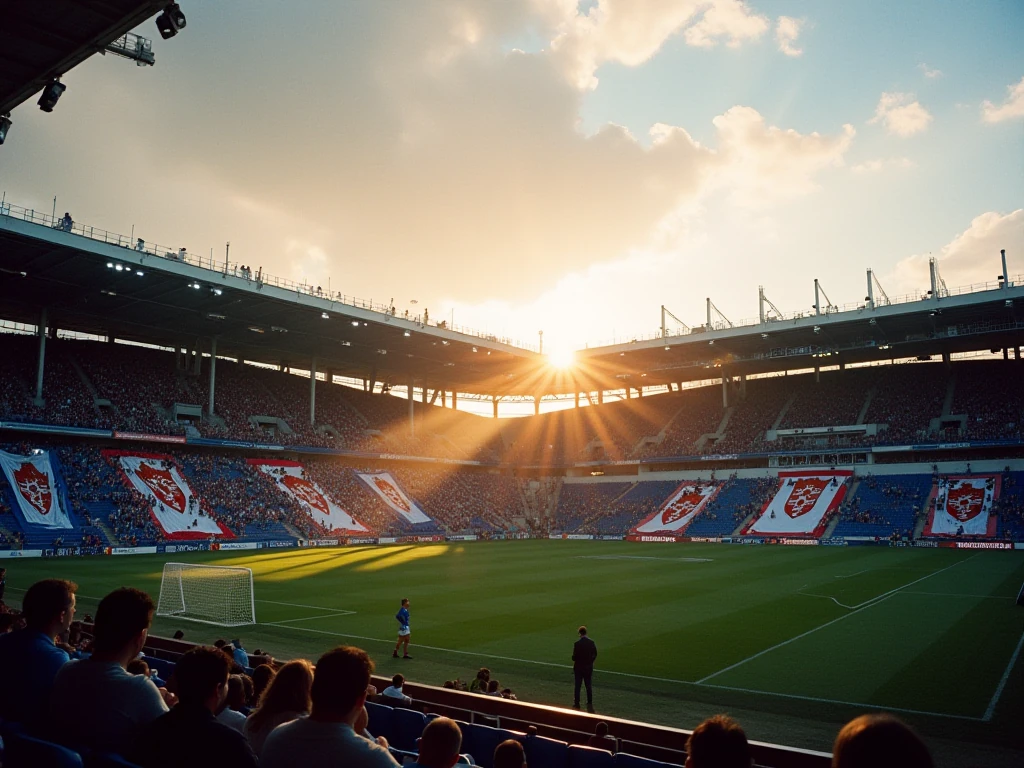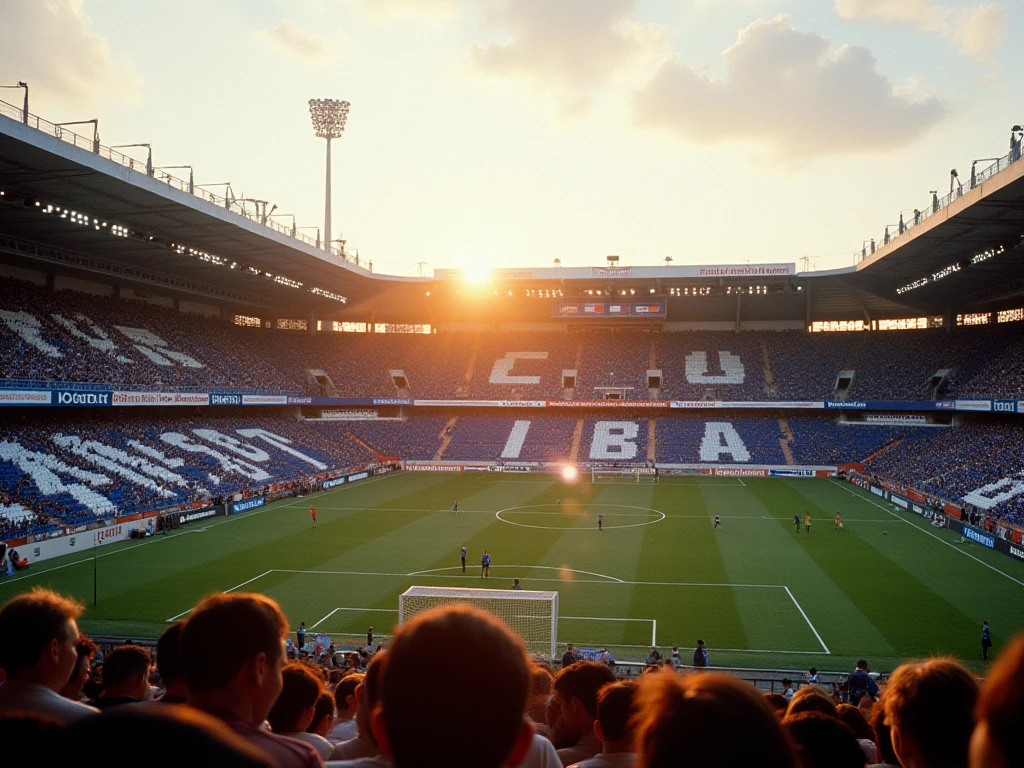
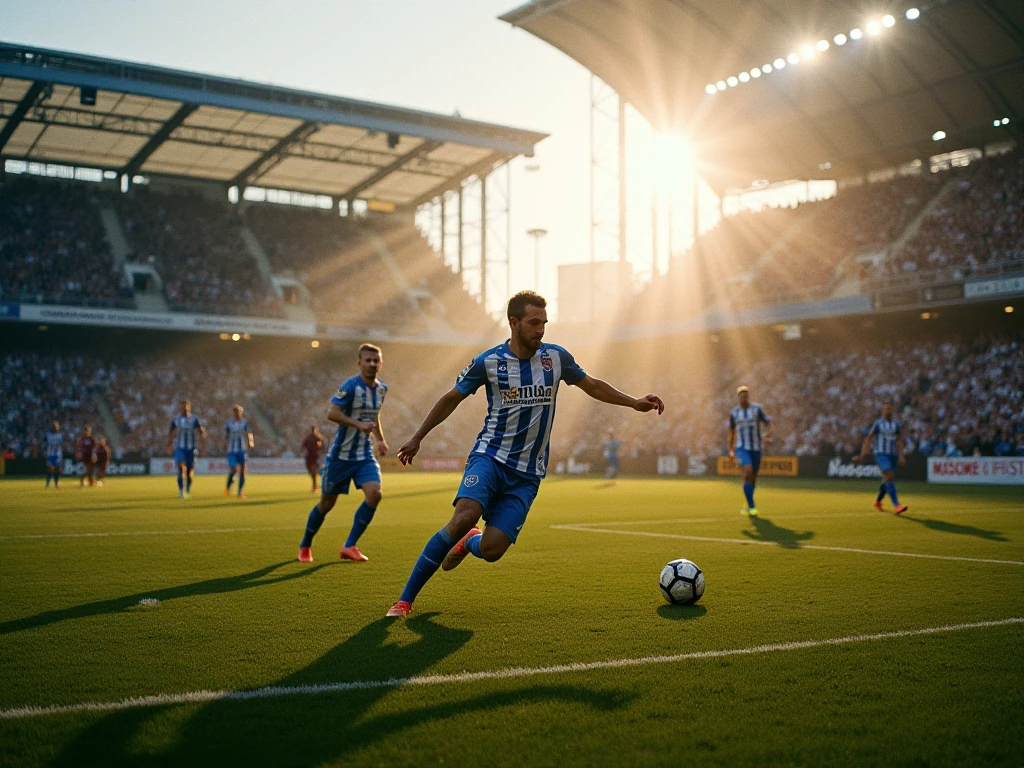
On the hallowed turf of Maksimir, where legends were forged and dreams took flight, GNK Dinamo Zagreb has etched a new, poignant chapter. One of its training pitches, a place of daily toil and talent refinement, will now proudly bear the name of Luka Modrić, the immortal 'Maestro' of Croatian football and a true Dinamo icon. This act transcends mere formality; it is a permanent monument to his genius, perseverance, and unconditional love for the blue jersey, symbolizing an unbreakable bond between the club, its fervent supporters, and the players who propelled it to global renown.
The club's official announcement resonated like a bolt from the blue, yet simultaneously unleashed a wave of excitement and pride among the 'Blues' worldwide. Naming the training pitch after Modrić is a deeply symbolic gesture. Luka Modrić, the boy from Zadar who arrived at Maksimir via Mostar and Zaprešić, embodies this philosophy perfectly. His journey, from an unknown youngster to the captain of the 'Vatreni' and a Ballon d'Or winner, is a story passed down through generations, and it will now have a physical monument on the very ground where his footballing magic was honed. It serves as a powerful message to every young boy dreaming of the blue jersey: hard work, talent, and persistence open all doors.
Modrić's years at Dinamo, spanning from 2003 to 2008, formed the bedrock of his monumental career. Across 94 official appearances for the 'Blues,' he notched an impressive 26 goals, an exceptional return for a midfielder at that stage of his development. His play was a symphony of movement, vision, and incredible technique. He was the team's brain, the conductor of the midfield, a player who dictated tempo and carved out space for teammates with his elegance and precise passing. His surging runs, spectacular goals, and tireless energy are still vividly remembered. Under his guidance, Dinamo clinched three consecutive league titles, two Croatian Football Cups, and one Super Cup, dominating Croatian football and setting new standards for future generations of 'Modri'. His inevitable departure to Tottenham Hotspur in 2008 left behind a legacy that continues to inspire to this day.
For Dinamo fans, Modrić is far more than just a footballer; he is a symbol of pride and irrefutable proof that Dinamo's football academy can consistently produce world-class players. His name on the pitch is not merely a plaque; it is a living reminder of a journey that begins on dusty pitches and can culminate on the global stage. Every young footballer who steps onto Modrić's pitch will dream of emulating his successes, of wearing the blue jersey with the same passion, and of leaving their indelible mark on the club's history. This is an emotional boost for the entire academy, an incentive for dedication and belief in one's own abilities. This gesture ensures that Modrić's story remains deeply rooted at the very heart of Dinamo's sporting family, strongly connecting the club's past with its future ambitions.
Maksimir, as the venerable home of GNK Dinamo, has always been the epicenter of Zagreb and Croatian football. It is a place where victories have been celebrated, defeats mourned, and where generations of fans have lived and breathed for their club. Naming a pitch after Modrić further solidifies Maksimir as sacred ground where club history is celebrated and where investment in the future is most important. Despite ongoing discussions about modernization and the construction of a new stadium, this move demonstrates that Dinamo remains firmly anchored to its roots and its legends. It serves as a sign that a club's greatness is not solely measured by the number of trophies won, but also by the way it treats its heroes. Facilities within the Maksimir complex, including this newly named pitch, are vital for daily operations and development, ensuring Dinamo continues its role as a talent factory.
Modrić's influence on Dinamo's game was tactically major. His exceptional ability to control the midfield, distribute the ball with precision, and create scoring opportunities elevated the team's performance significantly. Many subsequent Dinamo midfielders, such as Milan Badelj, Mateo Kovačić, Marcelo Brozović, and even today's young talents, looked up to Modrić as an idol, subconsciously absorbing his footballing intelligence. The 'Dinamo school' of football, renowned for technically gifted and intelligent players, finds the archetype of its ideal product in Modrić. Even after his departure, Luka remained a global ambassador for Dinamo, proudly highlighting his Dinamo roots. His continued presence at Real Madrid, as the most successful Croatian footballer of all time, serves as a lasting sign of the quality developed at Maksimir. His name on the training ground cements this connection, ensuring his spirit continues to hover over practices, inspiring every new generation.
As GNK Dinamo continues its relentless pursuit of new HNL titles and harbours ambitions for European success, the naming of the training pitch after Luka Modrić serves as a potent reminder of the club's enduring values: tradition, excellence, and unstoppable ambition. This move is not merely an homage to the past but also an investment in the future, a powerful message that the club cherishes its heritage and inspires its young talents to follow in the footsteps of their idols. With Modrić's name emblazoned at Maksimir, Dinamo continues to build its legend, confident that its football school will continue to produce players who will conquer the world, just as their Maestro once did. The future is blue, and the path is clearly laid out.