GNK Dinamo Zagreb was eliminated by Norwegian side Viking in the Champions League qualifiers, with an analysis in Večernji list highlighting a series of tactical and psychological errors. The club missed its chance to reach the group stage of Europe's elite competition after a defeat at Maksimir.
According to the analysis, Dinamo started the match extremely aggressively, overrunning the opponent in the first 15 minutes. However, after that initial pressure, their play completely vanished with only occasional flashes. The problem was the approach of building play from the back. Against a team like Viking, known for high pressing and stealing the ball near the opponent's goal, such a method was risky. This led to unnecessary losses of possession in dangerous zones, destabilizing the whole team.
As data on our stats page shows, Dinamo has had issues with possession percentage in the final third during European matches this season. Goalkeeper Nevistić's passing error was just the most visible example of this approach. An analyst from Večernji list noted, "The problem is that the ball was suddenly mostly with him, and we knew what happened in Maksimir."
The psychological aspect of preparing for this key match was also problematic. Dinamo players showed nerves that resulted in unnecessary fouls, arguments with the referee, and a loss of focus. Manager Mario Kovačević transmitted this anxiety from the bench, running around and clutching his head, while his counterpart on the other side appeared completely calm.
This nervousness was evident in individual mistakes. Players left their markers, ran headlessly forward, or took the ball out for a goal kick. Such behavior drains the energy and concentration needed for basic tasks. For comparison, in previous qualifying dramas against clubs like Ludogorets or Bodø/Glimt, Dinamo showed more patience and control.
The analysis also points to a problematic summer market. Instead of strengthening the squad with "two key signings," Dinamo lost two key players. This left a serious gap in the team's quality. Gonzalo Garcia commented on the situation, saying, "You cannot keep cutting and expect to be champion." Expectations from the return of old favorites like Oršić or Ademi were too high, and such moves often serve more as an alibi than a real solution.
According to data on the squad page, Dinamo registered more departures than arrivals in this transfer window. The announced major reinforcement, Kačavenda, did not even start the match, only entering the game when everything was already lost. This imbalance in squad quality was directly reflected on the pitch.
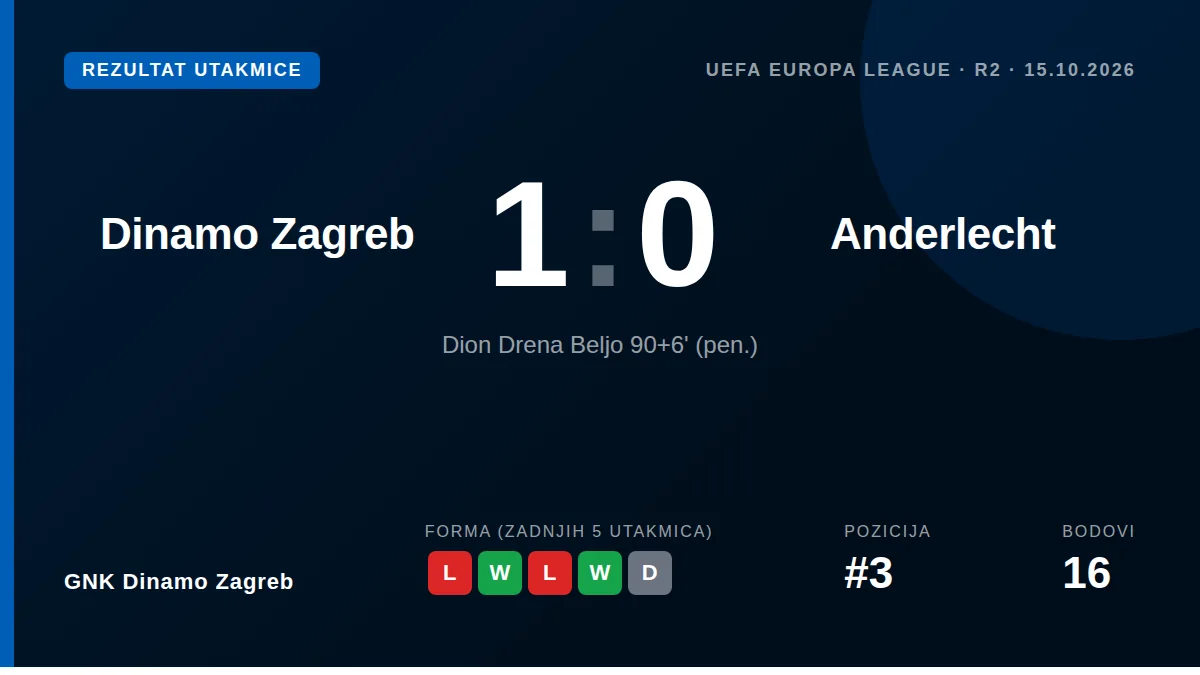
Elimination from the Champions League qualifiers means Dinamo will compete in the Europa League. However, the analysis warns that even that competition will not be "tailor-made" for the club if things do not improve. The difference in quality between today's opponents and those from the past is vast. While players like Faustino Asprilla once came to Maksimir, now it's teams like Viking, whose captain, according to the analysis, "would not have passed in half the clubs of our league ten years ago."
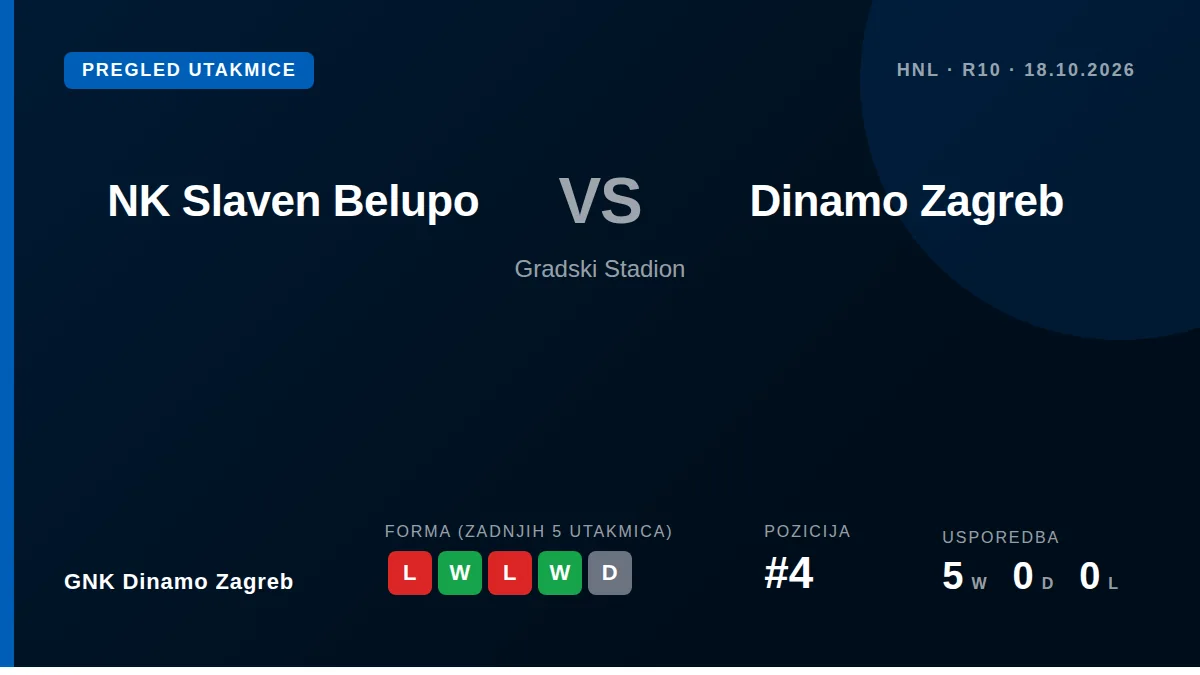
Dinamo must now consolidate quickly. The club needs to find greater tactical lucidity and psychological stability for the upcoming challenges in the HNL and the Europa League. The current standings in the HNL also show that consistency will be needed to maintain domestic dominance.