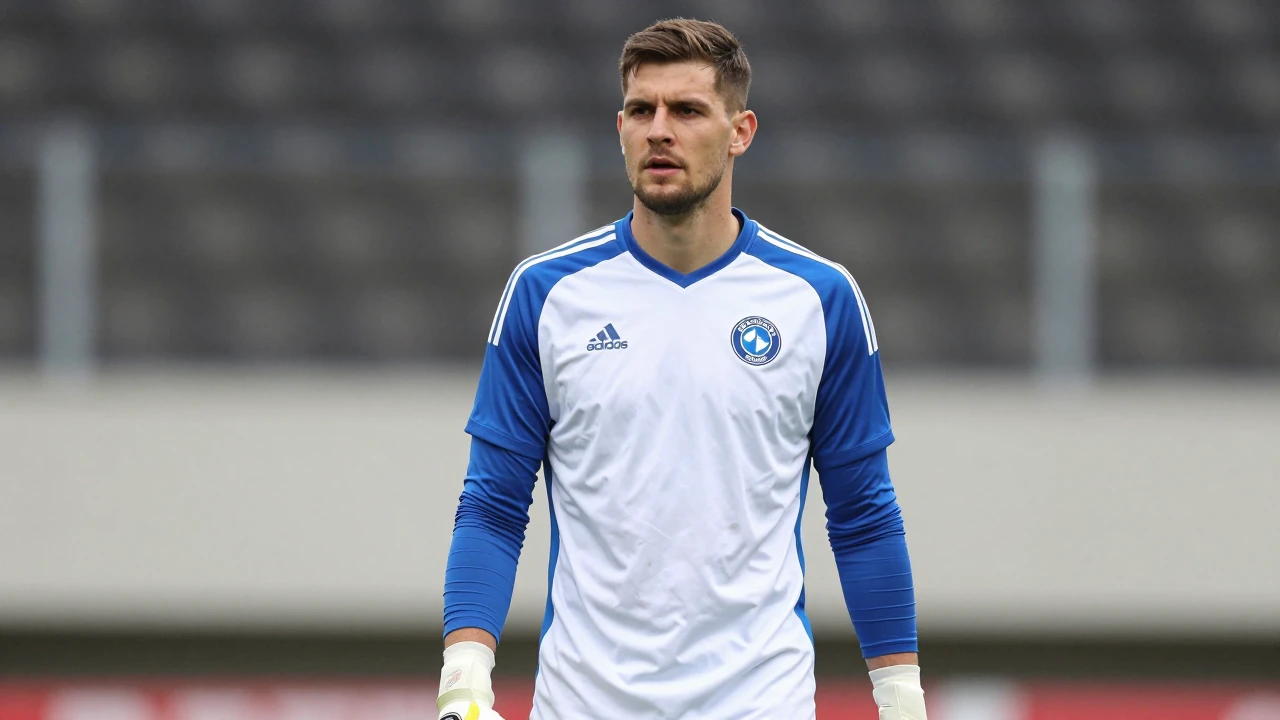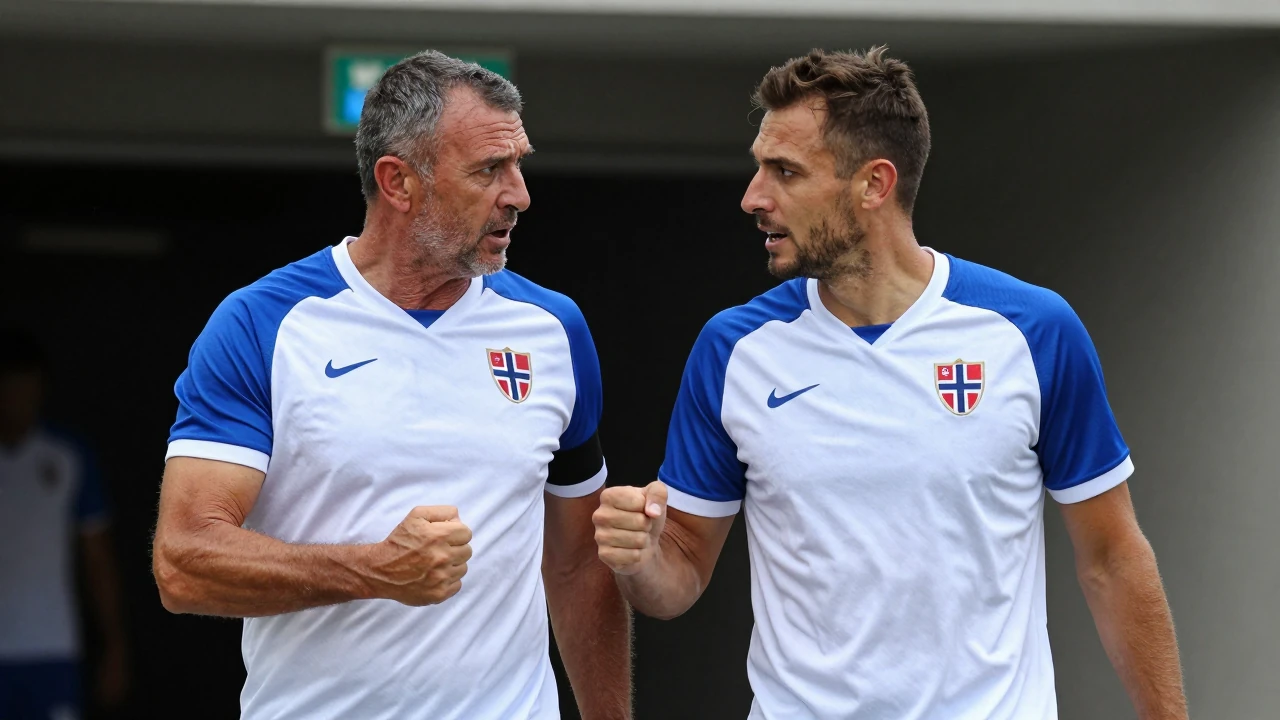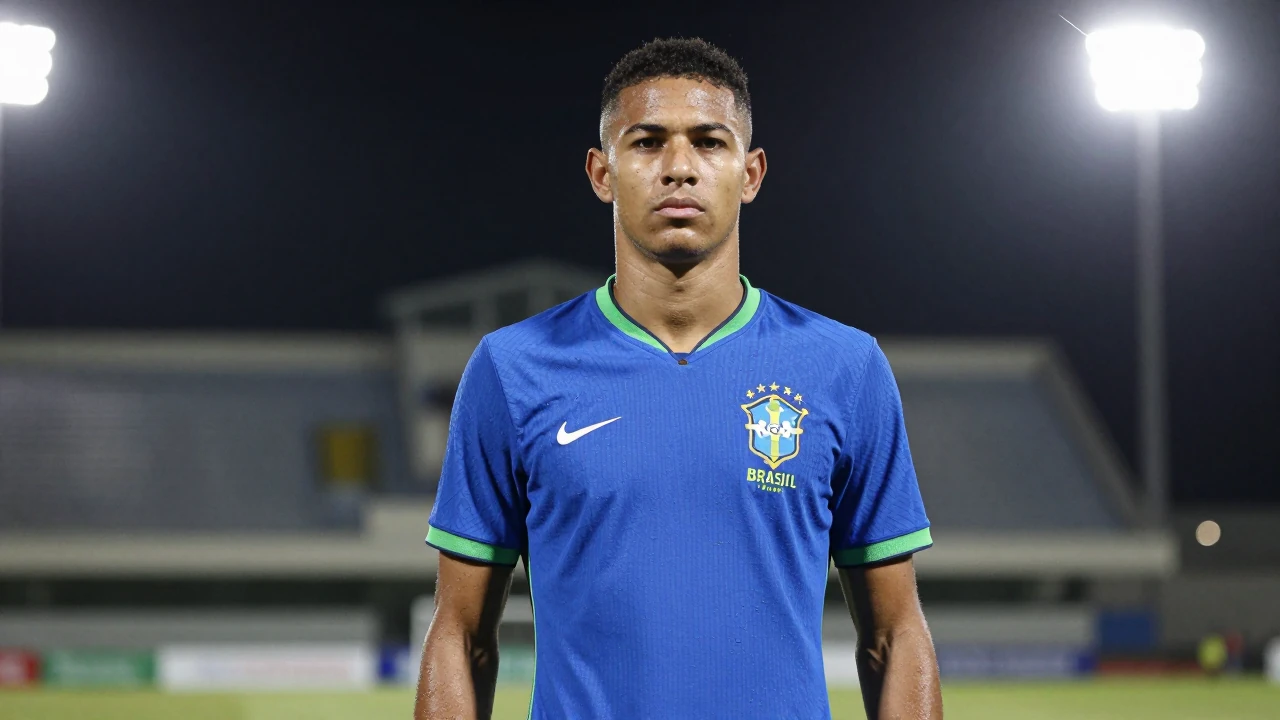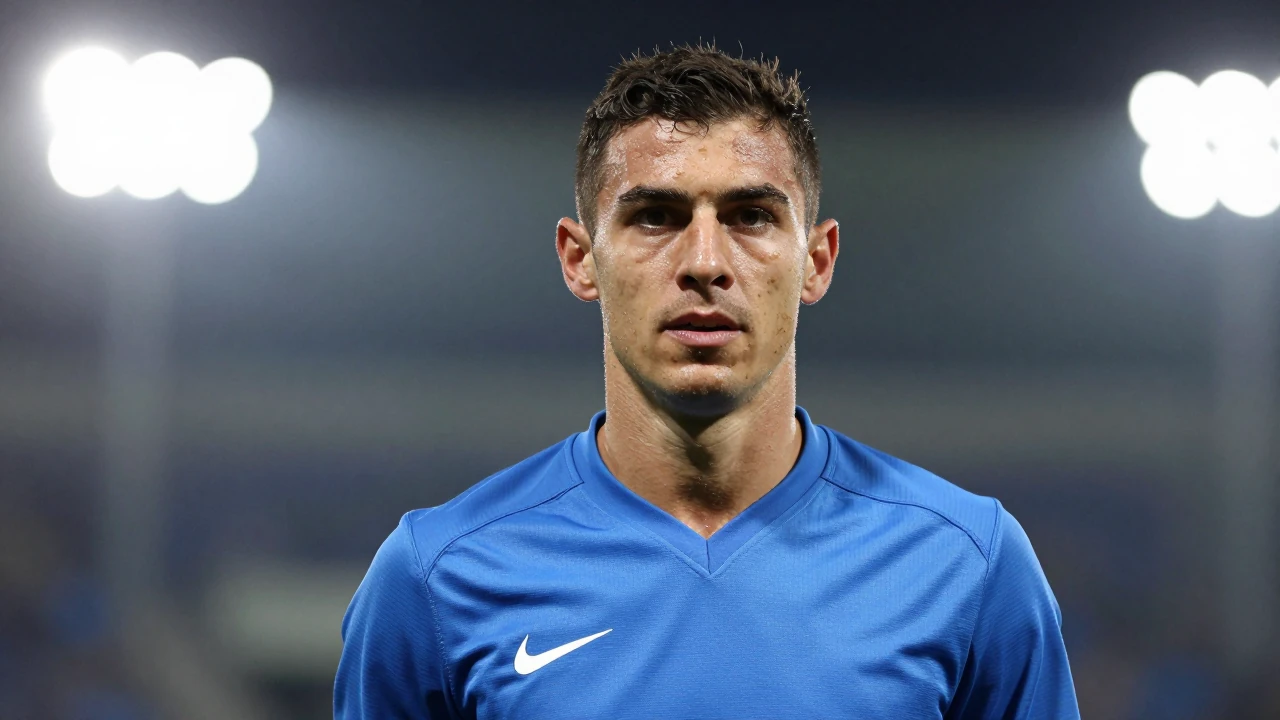
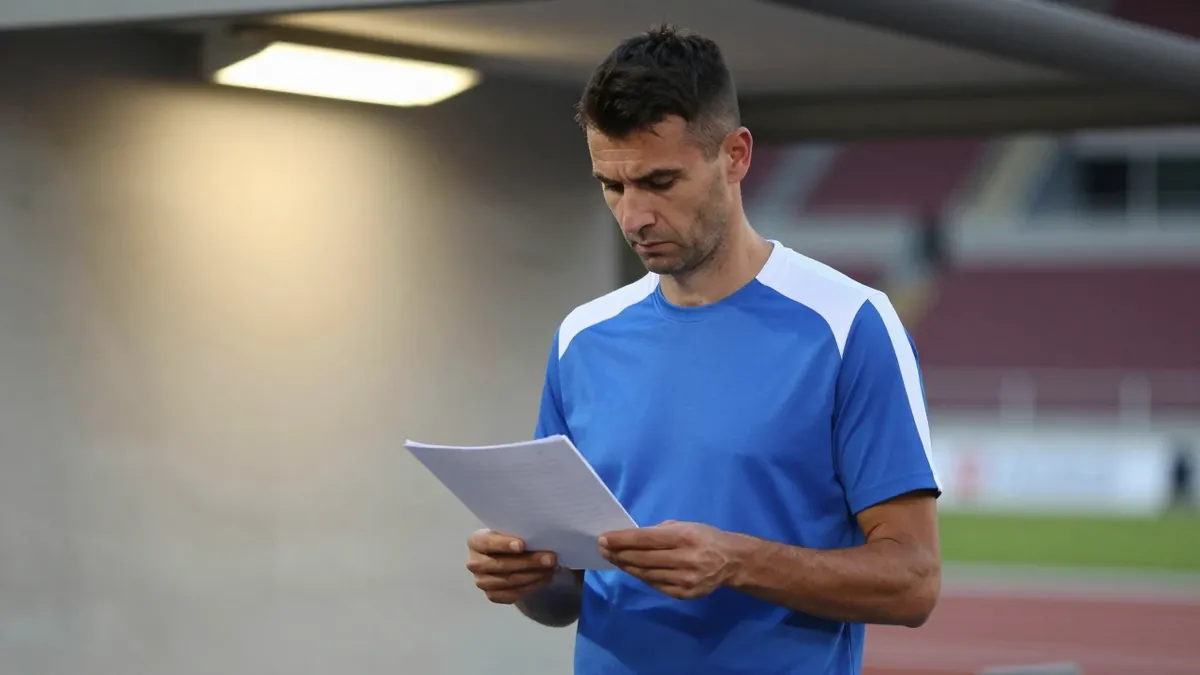
Junior Fernandes, former Dinamo striker, signed with Rudeš and returned to Croatia. He secured the deal in two days with the help of former teammate and friend Luis Ibáñez.
Return to Croatia
Fernandes, 38, has come back to Croatian pitches, but not in the blue jersey. After arriving on loan from Bayer Leverkusen in 2013, he stayed at Maksimir until 2017, when Dinamo bought his contract. After leaving Zagreb, he spent most of his career in Turkey, playing for six clubs, and his last club was Keciörengücü, which finished seventh in the second tier last season without promotion. Although he wanted to play again for Dinamo, the club is currently focusing on youth and does not need a player of his profile.
Ibáñez’s Role
Former teammate and long‑time friend Luis Ibáñez decided to help Fernandes find a continuation of his career in Croatia. After Fernandes called and asked if there were any options, Ibáñez immediately reached out to Rudeš. The ambitious new top‑flight club was interested in an experienced striker. The contract was signed in just two days, with Joe Šimunić, Rudeš’s operational president, playing a key role in the talks.
Family Dimension
Fernandes also considered being close to his children, who remained in Zagreb after last year’s divorce. His children, aged five and seven, stayed in Zagreb, so Fernandes wanted to be nearer to them. Ibáñez said: "He wants to be close to his children. He divorced last year, and the children stayed in Zagreb. We have been close friends, neighbors in Zagreb, and later we both played in Turkey. I’m glad I could help him return."
New Challenge at Rudeš
At Rudeš, Fernandes will try to show he has not said his last word. The club is in the top tier and wants to secure its status. Fernandes will use his experience and technical knowledge to help the team in the fight to maintain its position in the HNL.
Conclusion
Junior Fernandes has signed for Rudeš, and his return to the HNL is the result of a quick agreement and friend support. The club relies on his expertise to improve performance and ensure stability in the top‑flight season.