 GNK Dinamo Zagreb Hub
Olmo celebrates GNK Dinamo Zagreb and says he'd never want to play against them
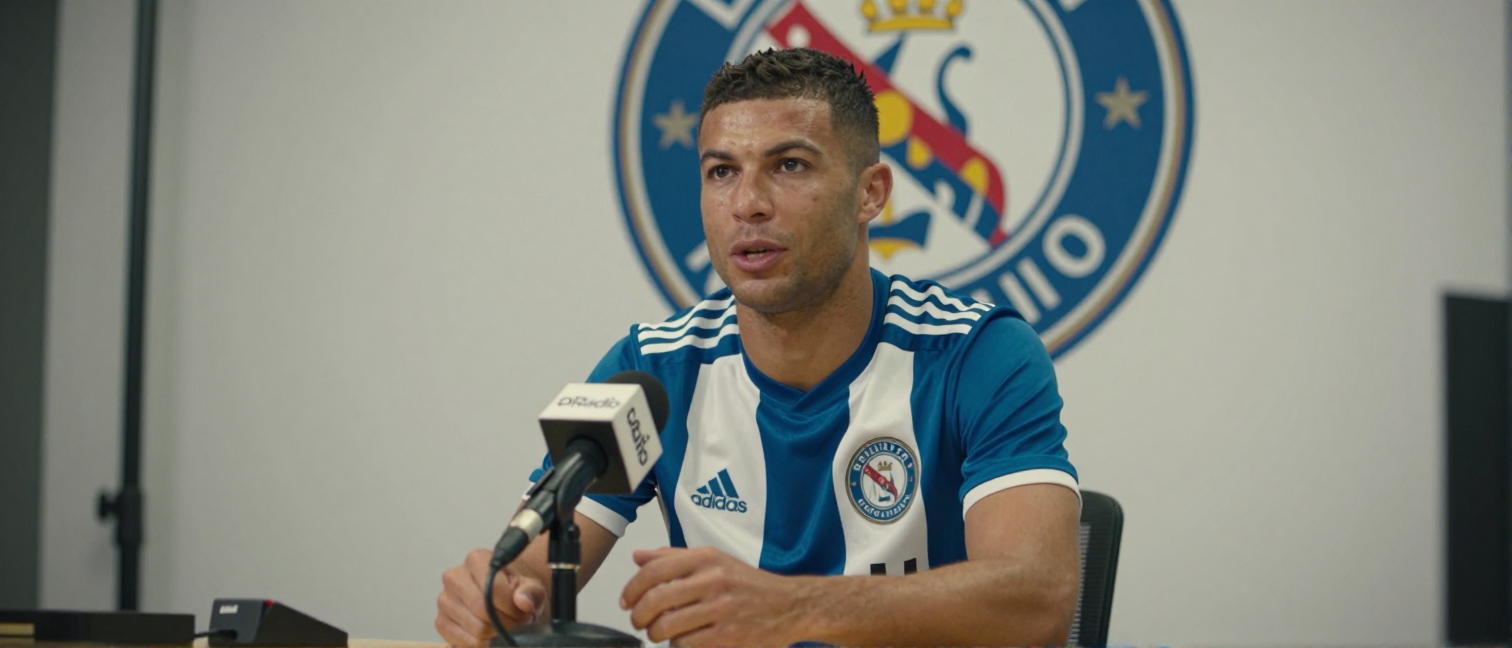
GNK Dinamo Zagreb lives in the heart of Spanish forward Dani OLMO, who, in a brief interview for TeleDeporte, repeated that Dinamo is the club that shaped him the most. While Spain celebrated a 1‑0 win over Portugal at the World Cup, Olmo emphasized that Dinamo is his former club and the one he admires most.
Currently Dinamo sits first in the HNL with 86 points, 27 wins, 5 draws and 4 losses from 36 games, and its recent form is DWWWW. The team has scored 93 goals and conceded 28, a +65 goal difference.
How did Olmo arrive at Dinamo and what did he achieve?
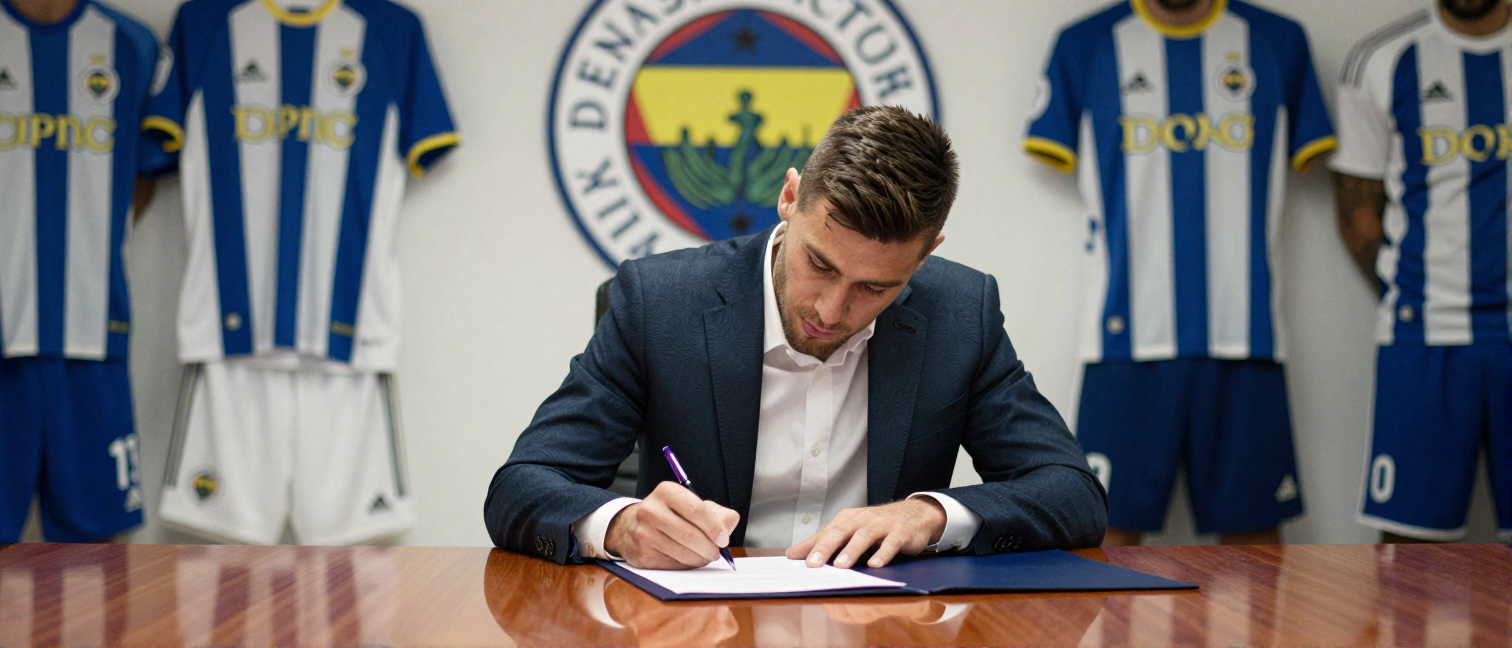
Olmo left Barcelona in 2014 and, at 16, signed for Dinamo Zagreb. He started with the reserve side before breaking into the first team, where from 2015 to 2020 he played 124 matches, scored 34 goals and provided 27 assists. In Maksimir he won five trophies, standing out in European fixtures with a goal against Fenerbahçe in a 4‑1 victory and strikes versus Shakhtar and Manchester City in the Champions League.
What happened after Dinamo?
In January 2020 Dinamo sold Olmo to RB Leipzig for €35 million. The player quickly became a regular for the Spanish national team, and in 2024 he returned to Barcelona, the club whose academy he originally left for Zagreb. With Spain he won the European Championship that same year, confirming his success at the highest level.
Why does Olmo still highlight Dinamo?
Olmo stated in the interview: "Dinamo, because of what I experienced there." His story is unique – from La Masia to Maksimir, then through Germany back to Barcelona. Dinamo is for him the place of his first big senior steps and where he forged his most valuable memories. That’s why, even when facing the toughest opponents, he mentions Dinamo as the club he admires most.
How does this story affect Dinamo today?
Olmo’s words serve as further proof that GNK Dinamo Zagreb remains a talent hub that shapes players for top European and world clubs. While Dinamo continues to lead the HNL with a large margin, stories like Olmo’s raise the club’s profile and attract new generations of young footballers from across Europe.