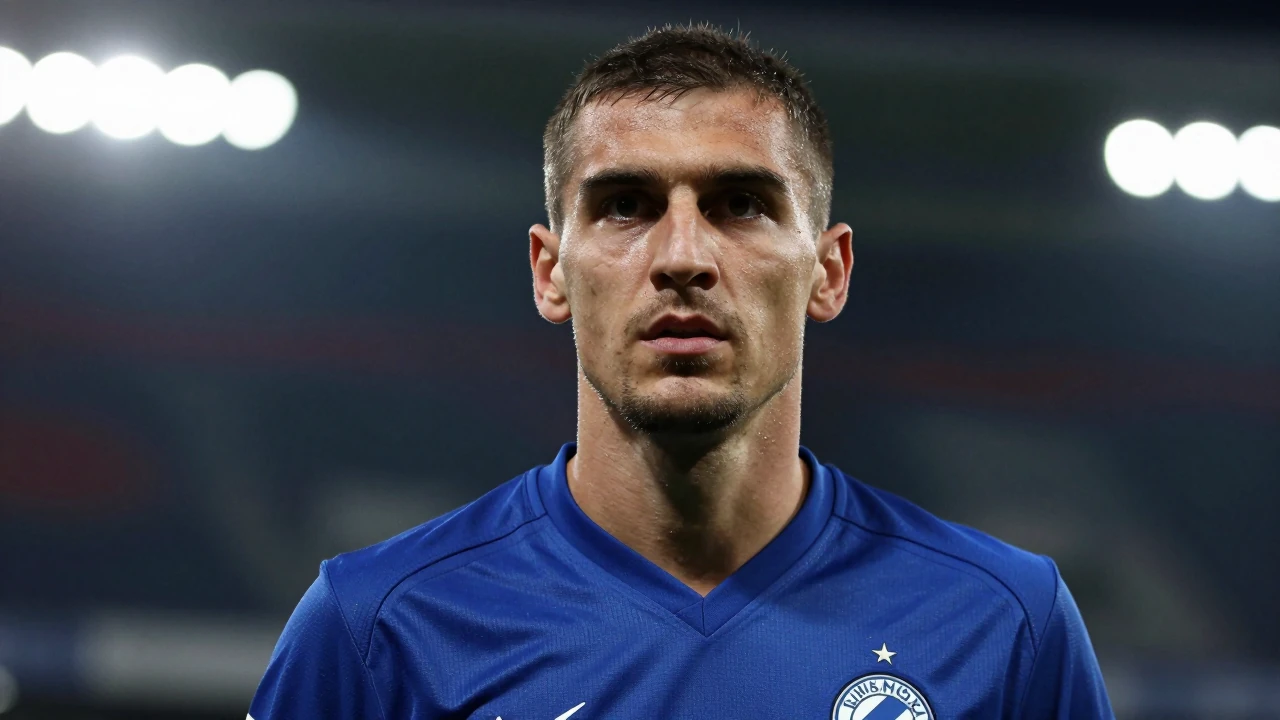
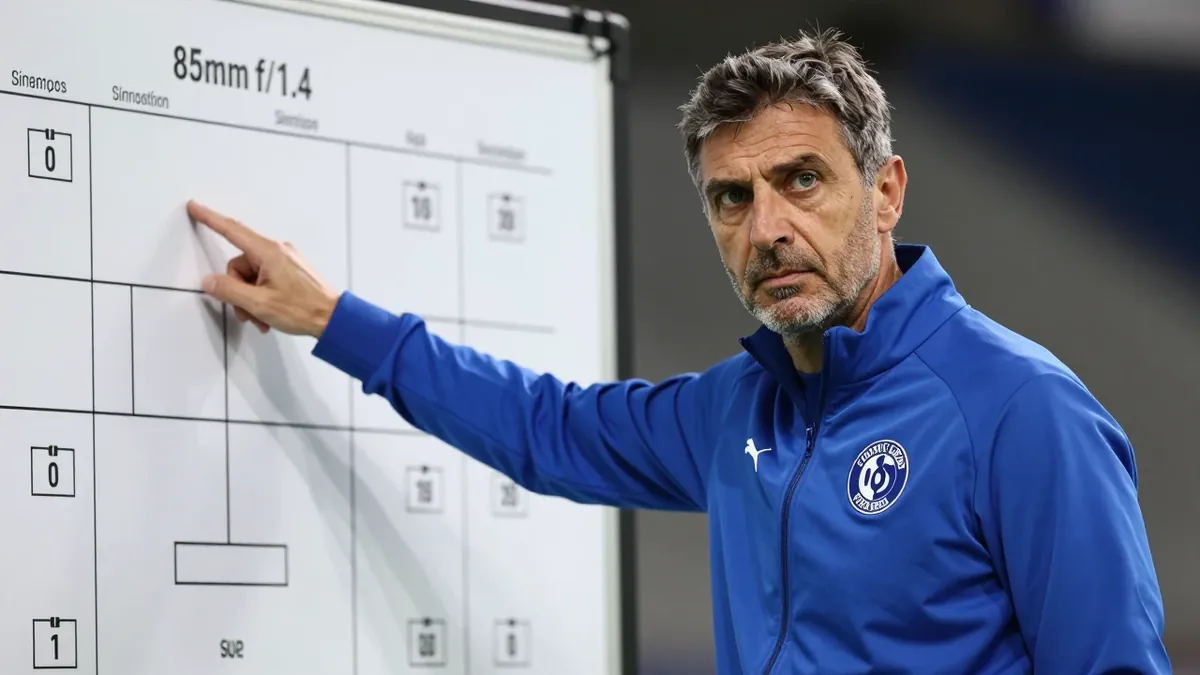
Zvonimir Boban, a representative of GNK Dinamo Zagreb, has spoken to journalists about the club's long-term strategy following their elimination by Viking. Boban explained in detail why the club will not abandon its path of adopting a 4-3-3 system across all age groups.
Dinamo currently sits third in the HNL with 10 points from four games, just two points behind leaders NK Osijek. The team has scored 11 goals, conceded three, and holds a positive goal difference of eight. The next challenge is a home match against HNK Gorica on September 5th, and all key data can be tracked on our stats page.
Boban clarified that choosing the 4-3-3 formation as the foundation for Dinamo's football school and the Proljećar development camp is not a football necessity. It is a strategic decision. The goal is to build a recognizable style of play that permeates all age groups, similar to what Ajax in Amsterdam or Barcelona through La Masia have done for decades. Albert Capellas, an expert in the Barcelona methodology, has been brought in to raise standards, and salaries for all coaches have been increased.
The club does not demand that every team unconditionally adhere to this setup. It's about adopting shared principles and a way of thinking. Belgian football implemented reforms after 2000 using 4-3-3 as the core for its national teams and clubs. Both Maccabi Tel Aviv and Southampton use this system as a starting point in their academies.
The main issue in Croatia, according to Boban, is not a lack of exceptional talent. Modrić, Gvardiol, and Baturina are proof that top players succeed in any system. The real value of a club lies in developing less exceptional talents to their maximum potential. "Not everyone will be sold for 30 million euros, but we must also have players who will be sold for three or eight," Boban said.
Talent truly depends on proper guidance within a clear system, not only raw ability. Dinamo wants to develop players who think similarly on the pitch and quickly adapt to the demands of senior competition or a new coach. This is a long-term investment that began in mid-2023.
Most fans support changes in the youth school, but attitudes differ regarding the first team. Questions arose when Dinamo under Mario Kovačević earned points against Lille and Celta while insisting on the same formation. Last season, Dinamo finished with 11 points in the Champions League, often playing with a back three or five.
They conceded 13 goals to Bayern, four of which were disallowed, and Monaco scored two at Maksimir. Dinamo's best European matches were played in a four-back system, even if formally aligned in a 4-3-3 setup. Arber Hoxha plays as a winger, and the team's spatial organization varies even within that framework.
The real issue is not the formation itself, but how the team organizes and use players within it. The responsibility of coach Marija Kovačević is to find roles that suit her players and hide their weaknesses within the system. The success of the entire project will not be measured by the pre-match formation graphic, but by how many academy players understand the demands of senior football and are ready for it.
Dinamo faces a challenge in the HNL title race, and the next step is the match against Gorica, who currently sit tenth. All current tables can be found on our standings page. The club will continue implementing its long-term development strategy, focused on creating value through the system, not through short-term tactical changes.